


Language

Bortom ett rimligt tvivel


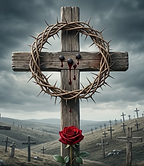


Claiming he is God
Search Results
Sök på den här webbplatsen
100 resultat hittades med en tom sökning
- The Sabbath or Sunday? | Answers 4 Saints
No verse in the Bible changes the seventh day Sabbath to Sunday. Why worship on another day? It is the fourth commandment. The Sabbath and the Resurrection 37 Bible Verses about Sabbath, In Nt Who Changed the Sabbath? Är sabbaten befalld i Nya testamentet? Should Christians keep the Sabbath or Sunday? Which Day Is the Christian Sabbath According to the Bible? Let no one judge you (Colossians 2) shadows of Messiah Galatians 4:10 ABOLISHING the Sabbaths and Feasts? Romans 14:5 - Now We Can Worship on Sunday? Colossians 2:16 - Legalism in the New Testament? Romarbrevet 14:5 sabbatsdebatten Sabbaten video Explaining Colossians 2:14-16 The Covenant of Sabbath Do not add to what I command you and do not subtract from it, God will take away from that person any share in the Tree of Life and blot your name from the Book of Life. Revelation 22:18-19 DEUTERONOMY 4:2 The Disciples Kept the Sabbath 85 Times in the book of Acts Matthew 5:16 In the same way, let your light shine before men, that they may see your good deeds and glorify your Father in heaven. 17 Do not think that I have come to abolish the Law or the Prophets. I have not come to abolish them, but to fulfill them. 18 For I tell you truly, until heaven and earth pass away, not a single jot, not a stroke of a pen, will disappear from the Law until everything is accomplished. … Churches Who Teach Us to Keep Sunday Admit It’s NOT the Sabbath of the Bible What is the Sabbath and what should we do? The Disciples Kept the Sabbath 85 Times in the book of Acts The Sabbath as an Eternal Sign The Sign Between God and Man: The Sabbath was established as a covenant and a perpetual sign between God and His people (Exodus 31:13, Ezekiel 20:12). Yeshua’s Life and Authority His Weekly Custom: During His earthly ministry, Yeshua consistently kept the Sabbath, making it His regular custom to attend the synagogue on the seventh day (Luke 4:16). Lord of the Sabbath : Yeshua declared His supreme authority over the day, proclaiming that "the Son of Man is Lord even of the Sabbath" (Matthew 12:8, Mark 2:28). The Crucifixion, Burial, and Resurrection Timeline (3 Days and 3 Nights) Wednesday Afternoon: Yeshua dies at the 9th hour (~3:00 PM) on the preparation day for the annual High Sabbath (Passover). He is placed in the tomb just before sunset, marking the beginning of the burial. Wednesday Sunset to Saturday Sunset (72 Hours): Night 1 / Day 1: Wednesday sunset to Thursday sunset (High Sabbath / First Day of Unleavened Bread) Night 2 / Day 2: Thursday sunset to Friday sunset (Regular preparation day; women buy and prepare spices) Night 3 / Day 3: Friday sunset to Saturday sunset (Weekly seventh-day Sabbath) Saturday at Sunset: Yeshua rises from the dead at the exact close of the 72-hour period, fulfilling the Sign of Jonah (Matthew 12:40)—a complete span of three days and three nights in the heart of the earth. The Post-Resurrection Covenant Reality Grafted into the Commonwealth of Israel : Through the shed blood and finished work of Yeshua, (believers from the nations are brought near and grafted into the commonwealth of Israel) and its covenants of promise (Ephesians 2:12–13, Romans 11:17). March 7, AD 321 (Imperial Roman Civil Enforcement): Constantine’s Edict: Roman Emperor Constantine enacted the first recorded civil Sunday legislation, compelling public cessation of labor: "On the venerable Day of the Sun let the magistrates and people residing in cities rest, and let all workshops be closed." c. AD 364 (Ecclesiastical Prohibition – Council of Laodicea): Canon 29: The regional council formally banned Christians from observing the seventh-day Sabbath rest and enforced Sunday observance under penalty of excommunication: Do not add to what I command you and do not subtract from it, God will take away from that person any share in the Tree of Life and blot your name out. The Disciples Kept the Sabbath 85 Times in the book of Acts Matthew 5:16 In the same way, let your light shine before men, that they may see your good deeds and glorify your Father in heaven. 17( Do not think that I have come to abolish the Law or the Prophets. I have not come to abolish them, but to fulfill them. 18 For I tell you truly, until heaven and earth pass away, not a single jot, not a stroke of a pen, will disappear from the Law until everything is accomplished.…) Churches Who Teach Us to Keep Sunday Admit It’s NOT the Sabbath of the Bible What is the Sabbath and what should we do? God is not a man, that He should lie, or a son of man, that He should change His mind. Does He speak and not act? Does He promise and not fulfill? I have indeed received a command to bless; He has blessed, and I cannot change it.… Numbers 23:19-20 This is the covenant I will establish with the people of Israel after that time, declares the Lord. I will put my laws in their minds and write them on their hearts. I will be their God, and they will be my people. Hebrews 8:10 The Lord of the Sabbath Then Jesus declared, “The Sabbath was made for man, not man for the Sabbath. 28 Therefore, the Son of Man is Lord even of the Sabbath.”…Matthew 12: 7 If only you had known the meaning of ‘I desire mercy, not sacrifice,’ you would not have condemned the innocent. 8 For the Son of Man is Lord of the Sabbath.” 9 Moving on from there, Yeshua entered their synagogue,…Mark 2:27 Proper Sabbath Keeping Audit Answer YES or NO honestly to each: Do you observe the Sabbath on the 7th day (Saturday), from sunset Friday to sunset Saturday? Do you completely cease from all work, business, and labor on the Sabbath as commanded in Exodus 20:8-11? Do you honor the Sabbath as a holy day set apart for Yahweh, not treating it like any other day? Do you use the true names Yehovah and Yahshua when praying, studying, or worshiping on the Sabbath? Have you rejected worship or religious activities on Sunday (the 1st day) as a man-made tradition? Do you prepare in advance (food, work, etc.) so that no work is done on the Sabbath? Do you gather with like-minded believers for study, prayer, and fellowship on the Sabbath? Are you careful to avoid buying, selling, or engaging in commerce on the Sabbath? Do you delight in the Sabbath and call it a blessing rather than a burden? Have you repented of past Sabbath breaking and now strive to keep it according to Scripture? Do you keep the Sabbath according to the original biblical pattern given to Israel, not modern church customs? Are you teaching your household and others to properly observe Yahweh’s Sabbath? Have you repented of past Sabbath breaking and now strive to keep it according to Scripture? Do you keep the Sabbath according to the original biblical pattern given to Israel, not modern church customs?Are you teaching your household and others to properly observe Yahweh’s Sabbath? Scoring 10–12 Yes: Strong evidence of properly keeping the Sabbath. 7–9 Yes: Mostly keeping it but with some areas of compromise. 4–6 Yes: Partial or inconsistent observance. 0–3 Yes: Not properly keeping the biblical Sabbath. How "First Day of the Week" Entered the Text The phrase "first day of the week" found in modern English Bibles is not a direct translation of the original text. It is a calculated linguistic substitution designed to align the Scriptures with a Roman calendar system rather than the Creator's calendar. The Confrontation: "You base an entire doctrine of Sunday worship on a handful of resurrection verses, claiming the Master changed the day of rest. But you are basing your theology on a translation choices made centuries later. When you pull back the English cover and look at the original manuscripts, the phrase 'Sunday' or 'first day of the week' completely vanishes. Read Matthew 28:1 and John 20:1." The Verse: * Matthew 28:1 (Literal Greek): "Ὀψὲ δὲ σαββάτων, τῇ ἐπιφωσκούσῃ εἰς μίαν σαββάτων..." * King James Version (With added words): "In the end of the sabbath, as it began to dawn toward the first day of the week..." The Shock: "The literal text completely dismantles the traditional Sunday narrative: The Original Greek: In every single resurrection account, the manuscripts do not contain the words for 'first day of the week.' The text explicitly reads mia tōn sabbatōn (μία τῶν σαββάτων), which literally translates to 'the first of the Sabbaths.' This is direct Hebrew covenant language referencing the countdown of the seven weekly Sabbaths leading up to Pentecost (Leviticus 23:15). The Ancient Translations: The earliest historical translations kept this link intact. Jerome’s Latin Vulgate (382 AD) rendered it literally as 'Una autem sabbati' ('The first of the Sabbath'). Wycliffe’s English Bible (1382) followed suit, translating it straight as 'one day of the sabotis' ('one day of the Sabbaths'). The 16th-Century Shift: The change occurred in the 1500s with William Tyndale and was later formalized by the King James Version in 1611. Translators swapped out 'Sabbath' for the idiom 'first day of the week' to match the Roman solar calendar. To force this interpretation, the KJV translators had to insert the words 'day of the' in italics, openly admitting those words do not exist in the Greek manuscripts. The Bottom Line: The phrase 'first day of the week' is a later human modification. The original accounts do not inaugurate a new day of worship; they explicitly anchor the resurrection timeline directly to the Hebrew Sabbath calendar." The Sign of the Sabbath Exodus 31:14 (Numbers 15:32–36) 12 And the LORD said to Moses, 13“Tell the Israelites, ‘Surely you must keep My Sabbaths, for this will be a sign between Me and you for the generations to come, so that you may know that I am the LORD who sanctifies you. 14 Keep the Sabbath, for it is holy to you. (Anyone who profanes it must surely be put to death. ) "Christians must not judaize by resting on the Sabbath, but must work on that day, rather honoring the Lord's Day; and, if they can, resting then as Christians. But if any shall be found to be judaizers, let them be anathema from Christ." 1910 (Modern Doctrinal Exposition – The Convert’s Catechism): Peter Geiermann’s Catechism: Formally affirmed the Church’s exercise of ecclesiastical authority in altering the day of worship: Q: Which is the Sabbath day? A: Saturday is the Sabbath day. Q: Why do we observe Sunday instead of Saturday? A: We observe Sunday instead of Saturday because the Catholic Church transferred the solemnity from Saturday to Sunday. Present Official Doctrine (Catechism of the Catholic Church): Paragraph 2175: Summarizes the official theological rationale—defining Sunday as a distinct observance that supersedes and spiritually fulfills the seventh day: And he came to Nazareth, where he had been brought up: and he entered, as his custom was, into the synagogue on the sabbath day, and stood up to read. Luk3 4:16 So when the Jews went out of the synagogue, the Gentiles begged that these words might be preached to them the next Sabbath . ACTS 1 The mark of God Is the Sabbath 777 is found on the Sabbath Genesis 2:1-3 2 Thus the heavens and the earth were finished, and all the host of them. 2 And on the seventh day God finished the work that he had done, and he rested on the seventh day from all the work that he had done. 3 So God blessed the seventh day and made it holy because on it God rested from all the work that he had done in creation. There are three elements to a legal seal. The name, His Title, His territory Exodus 20:8-11 God seal/sign 8 “Remember the Sabbath day by keeping it holy. 9 Six days you shall labor and do all your work, 10 but the seventh day is a sabbath to the Lord your God . On it, you shall not do any work , neither you, nor your son or daughter, nor your male or female servant, nor your animals, nor any foreigner residing in your towns. 11 For in six days the Lord he made (creator) heavens and the earth, the sea, and all that is in them, but he rested on the seventh day. Therefore the Lord blessed the Sabbath day and made it holy. Sabbaten nämns 85 gånger enbart i handlingar 37 bibelverser om sabbaten, i Nt Avskaffar Nya testamentet sabbaten? Denna vilodag, säger Jesus, är gjord för människor (Mark 2:27). Jesus hävdar sig själv som 'Sabbatens Herre. ' Detta herradöme avskaffar inte sabbaten – för varför skulle Jesus avskaffa något som han hävdar att han är en härskare över? – men istället förstärker han dess livskraft. Sabbaten och uppståndelsen Det finns ingen plats i hela bibeln där du hittar några verser som ändrar sjundedagssabbaten till söndag, varför stör det dig inte när du tillber på en annan dag än den dag som Gud gjorde helig, och att minnas? Det är det fjärde budet. De flesta kristna pekar på Romarbrevet 14 som bevistext på att ändra sabbatsdagen, men du hittar inte ordet sabbat skrivet i boken. Gör inga misstag, Gud kommer att tillåta dig att trotsa och vara olydig mot honom. Han kommer att tillåta dig att följa folkmassan och mäns traditioner. Han kommer att tillåta dig att synda. Men han säger också att det kommer en dag av räkning. Som man sår får man skörda! Det är intressant att notera att det bara finns en dag i veckan som Fadern ger ett namn till, sabbaten, den sjunde dagen. Alla andra dagar är siffror. Hesekiel 22:26 Hennes präster (Dina pastorer) har gjort våld mot min lag och vanhelgat mina heliga ting; de har inte gjort någon skillnad mellan det heliga och det profana, och de har inte lärt ut skillnaden mellan det orena och det rena; och de dolde sina ögon för mina sabbater, och jag blev vanhelgad bland dem. 27 Hennes furstar inom henne är som vargar som sliter sönder bytet, genom att utgjuta blod och förgöra liv för att vinna ohederlig vinning.… Hesekiel 20:12Och jag gav dem mina sabbater för att vara ett tecken mellan mig och dem, för att de skulle veta att jag är Jehova som helgar dem. Hur kan någon bli helgad utan att hålla sabbaten? 2 Mosebok 20:9 "Tänk på sabbatsdagen, att du håller den helig. Sex dagar skall du arbeta och utföra allt ditt arbete, men den sjunde dagen är Herrens, din Guds, sabbat. I den skall du inte göra något arbete: du eller din son eller din dotter, inte din tjänare eller din tjänarinna eller din boskap eller din främling som är inom dina portar. Ty på sex dagar gjorde Jehova himlen och jorden, havet och allt som är i dem och vilade den sjunde dagen. Därför välsignade Jehova sabbatsdagen och helgade den” (2 Mos 20:8-11). 1 Petr 1:15 Men liksom den Helige som har kallat er, varen också ni heliga i allt ert uppförande. för det står skrivet: "NI SKA VARA HELIGA, TY JAG ÄR HELIG." ● Tredje Mosebok 20:26 'Så skall ni vara heliga för mig, ty jag, Jehova, är helig; och jag har avskilt dig från folken för att vara min. ”Jehova har i dag förklarat att ni är hans folk, (ISRAEL) en värdefull ägodel, som han lovade er, och att ni skulle hålla alla hans bud; och att han skall sätta dig högt över alla folk som han har skapat, till lov, berömmelse och ära; och att du skall vara ett helgat folk åt Jehova, din Elohim, såsom han har talat." Lärjungarna höll sabbaten 85 gånger i Apostlagärningarnas bok. Apostlagärningarna 20:6-7 Men vi seglade från Filippi efter det osyrade brödets högtid, och fem dagar senare förenade vi oss med de andra i Troas, där vi stannade sju dagar. På veckans första dag samlades vi för att bryta bröd. Paulus talade till folket och, eftersom han tänkte gå nästa dag, fortsatte han att prata till midnatt. Vers 7 säger på engelska att apostlarna kom samman den första dagen i veckan, vilket innebär för många att sabbaten nu är den första dagen i veckan Eftersom denna vers används för att försvara söndagen som den nya sabbatsdagen, låt oss titta på den grekiska versen, där vers 7 säger "första dagen i veckan". Greken säger faktiskt... mia ton sabaton Det grekiska ordet mia betyder "en", inte "först" ... det är det grekiska ordet 'protos' som betyder "först", vilket inte finns i texten. Vi kan inte få det att säga något som det inte gör ... Det översätts faktiskt som "en av sabbaterna". Flertal. Inte "Veckans första dag". Singularis.". Detta är ett enormt översättningsfel som öppet har accepterats som sanning genom åren. Den moderna kyrkan erkänner Yeshuas uppståndelsedag som en söndag. Låt oss verkligen se vilken dag Yeshua återuppstod. Matteus 20:40 Ty precis som Jona var tre dagar och tre nätter i den stora fiskens buk, så kommer Människosonen att vara tre dagar och tre nätter i jordens hjärta. Joh 11:9 Yeshua svarade: "Finns det inte tolv timmars dagsljus? Om någon går på dagen, kommer han inte att snubbla, ty han ser i denna världens ljus.10 Men om någon går om natten, kommer han att snubbla, eftersom han inte har något ljus.” ... Här är något att begrunda. Hur kan du få 3 dagar och 3 nätter eller 72 timmar från långfredagen till en uppståndelse på söndagsmorgonen? Om du räknar, skulle han ha blivit uppfostrad på måndag. Den moderna kyrkans logik för att ändra lördagssabbaten till söndag stämmer inte eftersom uppståndelsegudstjänster bör hållas på måndag eftermiddag. Gud gav bara den sjunde dagen ett namn, alla de övriga dagarna var räknade. Om du tittar noga kommer du att se att de talar om att äta och ta emot en som är svag i tron, men inte att tvista om tvivelaktiga saker. Det finns minst 10 gånger det nämns att äta. Kontexten här är fasta, versen säger att det inte spelar någon roll vilken dag du väljer att fasta. Yeshua säger när vi fastar, inte om du fastar. Romarbrevet 14:5 En person värderar en dag över en annan; en annan uppskattar varje dag likadant. Låt var och en vara helt övertygad i sitt eget sinne. Matteus 6:16-18 ”Och när ni fastar, se inte dystra ut som hycklarna, ty de vanställer sina ansikten så att deras fasta kan ses av andra. Sannerligen säger jag er: de har fått sin belöning. Men när du fastar, smörj ditt huvud och tvätta ditt ansikte, så att din fasta inte ska ses av andra utan av din Fader som är i det fördolda. Och din Fader som ser i det fördolda kommer att belöna dig.” Psaltaren 35:13-14 ”Jag bar säckväv; Jag plågade mig med fasta; Jag bad med böjt huvud mot bröstet. Jag gick omkring som om jag sörjde min vän eller min bror; som en som beklagar sin moder, böjde jag mig ned i sorg.”
- Pagan Easter: Ishtar and the Eggs | Answers 4 Saints
The priests of Ishtar and their dyed eggs: this page traces Easter's sunrise service and eggs back to pagan worship. Påskharen och uppståndelsen video Is Easter Pagan The Satanic Ritual of Sacrificing Children Every year, the priests of Ishtar would impregnate young virgins on an altar dedicated to herself and her husband*. The children were born on Christmas December 25, and the next year they were sacrificed on Easter Sunday at the sunrise service. The priests would take Ishtar's eggs and dye them in the blood of the sacrificed children. The Truth About Easter Good Friday Easter Sunday Great Easter Fraud Easter 3 days and 3 days nights 72 hours 3 dagar och 3 nätter video Hednisk påsk Följande artikel är baserad på JR Terriers bok "History of Easter - Hidden, Secret Ursprung och mysteriereligion". Tillägg av Alexander Light, HumansAreFree.com; Påsk är ett årligt firande som observeras i hela den kristna världen. Det finns absolut inga verser i Bibeln som godkänner eller godkänner att ett påskfirande ska hållas. Dessutom säger Bibeln ingenting om praxis att fira fastan, dö påskägg, ha påskäggsjakter, korgar med godis, huvar – och så vidare. Påsken har länge varit känt för att vara en hednisk högtid. Amerikas grundare visste detta. Den sataniska ritualen att offra barn Varje år impregnerade prästerna i Ishtar unga jungfrur på ett altare tillägnat henne själv och hennes man*. Barnen föddes på jul (!!!), och nästa år offrades de på påsksöndagen vid soluppgångsgudstjänsten. Prästerna tog Ishtars ägg och färgade dem i de offrade barnens blod. Fler inkonsekvenser Vårt traditionella firande av långfredag till söndag står dock bara för att Yeshua var i jordens hjärta under två nätter och en dag. Var fakta om Yeshuas död? begravning och uppståndelse avsiktligt förvrängd? Lär dig vem som inte talar sanning - och varför! Barns Group survey. "Believers don't care what the truth Is, or care what Yehovah desires from us. We are afraid of looking into, it because it will draw a line in the sand, we know we don't want to make those decisions because at the end of the day, we want what we want, we are comfortable with our lives we are comfortable out traditions that are man-made. But you have a thought that pops into your head that's not what it means to me. The issue is it doesn't matter to you it matters to Yehovah He is the one being worshiped." The problem facing the church is not that people lack a complete set of beliefs the problem is that have a full state of beliefs in mind, which they think are consistent with biblical teachings, and they are neither open to being proven wrong nor learning new insights . The bottom line is among both clergy and laity was indifference toward their acknowledged lack of evaluation" Barrna Heading 6 The Day "Christianity" Overtook Christianity (Constantine vs. Passover) To help others understand this perspective, it is often most effective to move away from modern traditions and point directly to the Biblical standard for worship. When people argue that "Easter is for Jesus," the response from this viewpoint is typically that the motive doesn't sanctify the method. Here are the four primary pillars used to explain why this holiday is seen as problematic from a strictly Biblical standpoint: 1. The Command Against "Syncretism" The most direct Biblical argument is that God explicitly forbids mixing His worship with the customs of other gods. Deuteronomy 12:30-31: God tells Israel not to ask, "How did these nations serve their gods? I will also do likewise." He says, "You shall not worship the Lord your God in that way." The Point: Even if someone intends to honor the Resurrection, using symbols originally tied to fertility deities (like eggs and rabbits) is seen as "incorporating the abominable" into the holy. 2. The Origin of the Name While most languages use a version of the word Pascha (Passover), the English name "Easter" has no Biblical root. The History: It is widely accepted (even by the 8th-century monk Bede) that the name derives from Eostre (or Ostara), a Germanic goddess of spring and fertility. The Argument: If God's name is to be hallowed and kept pure, using the name of a pagan deity to title the most important event in history (the Resurrection) is viewed as a form of spiritual "compromise." 3. "The Way of the Heathen" Jeremiah 10:2 says, "Do not learn the way of the Gentiles." This perspective argues that "Easter" as we know it is a man-made tradition that replaced the God-ordained Passover. Passover vs. Easter: Jesus is our Passover Lamb (1 Corinthians 5:7). The early church kept the Passover, not a "spring festival." The Argument: By shifting the focus to "Easter Sunday" (a date determined by the equinox rather than the Biblical calendar), the specific timing and meaning God established for the Messiah's sacrifice is obscured. 4. The "Golden Calf" Principle In Exodus 32, the Israelites built a golden calf and called it a "feast to the Lord." * The Result: Even though they claimed they were worshiping the true God, He was furious because they were using a pagan image to represent Him. The Lesson: This suggests that God is not honored when we choose our own "traditions" of worship, especially those borrowed from cultures He told His people to remain separate from.
- Nailed to the cross | Answers 4 Saints
What was nailed to the cross? Answers 4 Saints teaches the New Covenant and the law's fulfillment in Christ's redemption. I'm a paragraph. Click here to add your own text and edit me. It's easy. Nailed To The Cross The New Covenant Bottom of the page The New Covenant The Fulfillment of the Law The New Covenant Nailed to the cross Christ Redeemed Us nailed to the cross the law of the spirit and death is hung on the cross redeeming mankind from the curse of sin and death through his death on the cross. You've perfectly summarized a core doctrine of Christianity: redemption from the curse of sin and death through Jesus' death on the cross. Let's unpack what each part of that statement means in Christian theology: "Redeeming mankind": Redeem means to "buy back " or "pay a price for something lost or forfeited." In ancient times, it could refer to buying a slave's freedom or repurchasing property. In a spiritual sense, mankind was "lost" or "enslaved" to sin and its consequences. Jesus "bought back" humanity's freedom. "From the curse of sin and death": Sin: In Christianity, sin is not merely a mistake but an active rebellion against God's holy nature and perfect will. It's disobedience and a breaking of God's law. Curse of Sin : The Bible teaches that sin brought a curse upon creation and humanity. This curse manifests as: Spiritual Death: Separation from God, which is the ultimate source of life. Physical Death : The eventual cessation of biological life. Spiritual Bondage: The inability to overcome sin's power on one's own. Condemnation : The just judgment and punishment from a holy God. The "curse" also relates to the consequences described in Genesis 3 after the Fall – toil, pain, fractured relationships, and mortality. "Through his death on the cross": This is the means by which redemption is achieved. Atonement: Jesus, being fully God and fully man, lived a perfect, sinless life. His death on the cross is understood as a substitute (vicarious) atonement. He took upon Himself the penalty and punishment for humanity's sins, satisfying the demands of divine justice. Sacrifice: His death is seen as the ultimate sacrifice, the perfect Lamb of God who takes away the sin of the world. Victory: While appearing to be a defeat, the cross is also understood as the place where Jesus disarmed the powers of darkness, cancelled the legal debt of sin, and ultimately triumphed over sin and death (especially when combined with His resurrection). In essence, because of sin, humanity was under a divine curse leading to death and separation from God. Jesus, by willingly dying on the cross, paid the ultimate price, thereby redeeming those who believe in Galatians 3:12 The law, however, is not based on faith; on the contrary, “The man who does these things will live by them.” 13 Christ redeemed us from the curse of the law by becoming a curse for us. For it is written: “Cursed is everyone who is hung on a tree.” 14 He redeemed us in order that the blessing promised to Abraham would come to the Gentiles in Christ Jesus, so that by faith we might receive the promise of the Spirit. … COLOSSI ANS 2:13-15 13 You were dead because of your sins and because your sinful nature was not yet cut away. Then God made you alive with Christ, for he forgave all our sins. 14 He canceled the record of the charges against us and took it away by nailing it to the cross. New Covenant The New Covenant is a central concept in Christian theology, representing a fundamental shift in God's relationship with humanity, as promised in the Old Testament and established through Jesus Christ in the New Testament. It stands in contrast to the Old Covenant (or Mosaic Covenant), which was established with Israel through Moses at Mount Sinai, centered on the Law. Here's a breakdown of the New Covenant: 1. Old Testament Prophecies of the New Covenant The idea of a "new covenant" was first prophesied in the Old Testament, most famously in: Jeremiah 31:31-34: "Behold, the days are coming, declares the Lord, when I will make a new covenant with the house of Israel and the house of Judah, not like the covenant that I made with their fathers on the day when I took them by the hand to bring them out of the land of Egypt, my covenant that they broke, though I was their husband, declares the Lord. For this is the covenant that I will make with the house of Israel after those days, declares the Lord: I will put my law within them, and I will write it on their hearts. And I will be their God, and they shall be my people. And no longer shall each one teach his neighbor and each his brother, saying, 'Know the Lord,' for they shall all know me, from the least of them to the greatest, declares the Lord. For I will forgive their iniquity, and I will remember their sin no more." Other prophets like Ezekiel also hint at a new spirit and new heart (e.g., Ezekiel 36:26-27). And I will give you a new heart, and a new spirit I will put within you. And I will remove the heart of stone from your flesh and give you a heart of flesh. And I will put my Spirit within you, and cause you to walk in my statutes and be careful to obey my rules. These prophecies highlight the perceived failures of the Old Covenant (people broke it) and hint at a more internal, trans formative covenant. 2. Establishment of the New Covenant in Christ Christians believe the New Covenant was inaugurated by Jesus Christ through His life, death, and resurrection: His Blood: Jesus explicitly links the New Covenant to His blood during the Last Supper: "This cup is the new covenant in my blood, which is poured out for many for the forgiveness of sins." (Luke 22:20; Matthew 26:28; 1 Corinthians 11:25). His sacrificial death is the basis for this new agreement. His Fulfillment of the Law: Jesus is seen as fulfilling the Old Covenant Law (Matthew 5:17), not abolishing it, but bringing it to its intended goal and perfection. He satisfied its righteous demands. His Resurrection and the Holy Spirit: The New Covenant is made effective through the power of the Holy Spirit, whom Jesus sent after His resurrection and ascension. 3. Key Characteristics of the New Covenant The New Covenant contrasts with the Old Covenant in several significant ways: Internal vs. External: The Law of the Old Covenant was primarily external, written on stone tablets. The New Covenant involves God's Law being written on the heart and mind (Jeremiah 31:33; Hebrews 8:10), implying an internal transformation and desire to obey. Forgiveness of Sins: A central promise of the New Covenant is the forgiveness of sins, where God declares, "I will remember their sin no more" (Jeremiah 31:34; Hebrews 8:12). This forgiveness is achieved through Christ's sacrifice. Direct Access to God: Under the Old Covenant, access to God was mediated through priests and rituals. Under the New Covenant, believers have direct access to God through Christ (Hebrews 4:14-16, 10:19-22). Empowerment by the Holy Spirit: Instead of relying on human effort to keep the Law (which consistently failed), the New Covenant provides the Holy Spirit to empower believers to live righteously and obey God's will (Ezekiel 36:27; Romans 8:3-4). Relationship of Grace and Faith: While the Old Covenant had elements of grace, the New Covenant is overwhelmingly characterized by grace, received through faith in Jesus Christ, rather than through perfect adherence to legalistic rituals or commands (Ephesians 2:8-9; Romans 3:21-26). Universal Scope: While the Old Covenant was primarily with the nation of Israel, the New Covenant extends to all who believe, both Jews and Gentiles, forming a "spiritual Israel" or the Church (Galatians 3:28-29; Romans 10:12). 4. Significance for Christians For Christians, the New Covenant signifies: Salvation : It's the basis for salvation and reconciliation with God. New Life: It inaugurates a new way of life characterized by an internal transformation and empowerment by the Holy Spirit. Fulfillment: I t demonstrates God's faithfulness in fulfilling His ancient promises. Foundation of the Church: It is the foundation upon which the Christian Church is built. In summary, the New Covenant, established through Jesus Christ, is understood as a superior and everlasting covenant that brings forgiveness, internal transformation, direct access to God, and empowerment by the Holy Spirit, all based on God's grace and received through faith. Gods Instructions Gods unchanging laws The Fulfillment of the Law The Fulfillment of the Law 16In the same way, let your light shine before men, that they may see your good deeds and glorify your Father in heaven. 17Do not think that I have come to abolish the Law or the Prophets. I have not come to abolish them, but to fulfill them. 18For I tell you truly, until heaven and earth pass away, not a single jot, not a stroke of a pen, will disappear from the Law until
- Deflections | Answers 4 Saints
Paul told us to test all things to see if they are from God. Do the teachings you hear include His law? Test them against Scripture. Deflections are the Greatest sin The shortest verse in the English Bible is "Jesus wept" found in John 11:35. It has only 10 letters and two words. In Luke, Jesus weeps (eklausen, meaning to sob aloud) as he enters Jerusalem. He grieves because the people rejected his offer of peace, refused to turn to God, and would soon face destruction as a consequence. In short, the devil's deflection on Matthew 5:18–19 works by convincing people that taking Yeshua’s exact words seriously is somehow a violation of his grace. It redirects the mind from humble obedience to theological technicalities that excuse setting aside the commands. Matthew 17-19 17 Do not think that I have come to abolish the Law or the Prophets. I have not come to abolish them, but to fulfill them. 18 For I tell you truly, until heaven and earth pass away, not a single jot, not a stroke of a pen, will disappear from the Law until everything is accomplished. 19 So then, whoever breaks one of the least of these commandments and teaches others to do likewise will be called least in the kingdom of heaven; but whoever practices and teaches them will be called great in the kingdom of heaven.… Prof the law was fulfilled by Yeshua: He was the only person in the entire Bible that never sinned, He showed us how to love Yehovah the creator ,He showed how to love our fellow man , He show us how to keep the Sabbath Holy, He never ate anything unclean, and He always kept all of Yehovah appointed . "It is easy to claim the name of Christ, but true discipleship is shown through obedience. Many claim to follow Him while actively living against everything He commanded." John 3:36 ("whoever does not obey the Son shall not see life, but the wrath of God remains on him") I have not come to abolish them , 1 John 3:8, which states that "whoever makes a practice of sinning is of the devil". Ecclesiastes 12:13 –– "Fear God and keep His commandments, for this is man’s all. Proverbs 28:9: " He that turneth away his ear from hearing the law, even his prayer shall be abomination. 1 John 2:4, w hich says: "Whoever says 'I know him' but does not keep his commandments is a liar, and the truth is not in that person." John 14:15 "If you love me, you will keep my commandments" Matthew 19:17 , "If you want to enter life, keep the commandments". Revelation 12:17. The text states that the dragon (identified as the devil and Satan) was angry with the woman and went to make war with the rest of her offspring—defined as those who keep God's commandments Revelation 13:7 , which states that the beast empowered by the dragon was allowed "to make war with the saints, and to overcome will be called least in the kingdom of heaven; Luke 7: 28 I tell you, among those born of women there is no one greater than John; yet the one who is least in the kingdom of God is greater than he.” Matthew 11:11 Verily I say unto you, among them that are born of women, there hath not risen a greater than John the Baptist; notwithstanding, he that is least in the Kingdom of Heaven is greater than he. (Because no one on earth has been to heaven ) The Core Connection When people deflect Scripture, they usually do not burn the Bible; instead, they remove the commands they find uncomfortable by declaring them "least" or obsolete, or they add human loopholes to bypass God's true intent (as Yeshua rebuked in Mark 7:9–13). Matthew 5:18–19 makes clear that in God's eyes, even what humans consider "least" remains fully binding. Below are the primary biblical passages that explicitly prohibit adding to, taking away from, or modifying God's word and commandments: Here is the complete, unified breakdown bringing together every point—from altering words, names, and titles to adopting pagan holidays, eating unclean, rejecting God's appointments, and profaning the Sabbath—and the explicit judgments Scripture attaches to them. The Deflection: Weaponizing Grace The core deception pits Yeshua’s salvation against his instructions—tricking believers into viewing obedience as "legalism" rather than the natural fruit of love. 1. Redefining "Fulfill" (Matt. 5:17) The Trick: Treating "fulfill" as "terminate and throw away." The Reality: In first-century Hebrew idiom, to fulfill meant to correctly interpret and live out the Torah's full intent. Yeshua came to demonstrate how to keep it, not to dismiss it. 2. False Dichotomy: "Love vs. Rules" The Trick : Framing commands as rigid legalism and "love" as abstract freedom. The Reality: Yeshua defined love through action: "If you love me, keep my commands" (John 14:15). The commands define what love looks like in practice. 3. Perverting Grace The Trick : Rebranding grace as an excuse for apathy toward God's standards. The Reality: Grace is divine empowerment (Titus 2:11–12). It cleanses the past and transforms the heart so obedience becomes a joy. 4. Theological Loopholes The Trick: Using complex technicalities to bypass Matthew 5:18–19. The Reality: It creates a state where people cite treatises to excuse setting aside the very commands Yeshua warned never to relax. The Ultimate Irony: It turns distrust of Yeshua's direct words into a false badge of "spiritual maturity," making people feel enlightened precisely because they have explained away the Sermon on the Mount. The Deflection: Weaponizing Grace The core deception pits Yeshua’s salvation against his instructions—tricking believers into viewing obedience as "legalism" rather than the natural fruit of love. 1. Redefining "Fulfill" (Matt. 5:17) The Trick: Treating "fulfill" as "terminate and throw away." The Reality: In first-century Hebrew idiom, to fulfill meant to correctly interpret and live out the Torah's full intent. Yeshua came to demonstrate how to keep it, not to dismiss it. 2. False Dichotomy: "Love vs. Rules" The Trick: Framing commands as rigid legalism and "love" as abstract freedom. The Reality: Yeshua defined love through action: "If you love me, keep my commands" (John 14:15). The commands define what love looks like in practice. 3. Perverting Grace The Trick : Rebranding grace as an excuse for apathy toward God's standards. The Reality: Grace is divine empowerment (Titus 2:11–12). It cleanses the past and transforms the heart so obedience becomes a joy. 4. Theological Loopholes The Trick: Using complex technicalities to bypass Matthew 5:18–19. The Reality: It creates a state where people cite treatises to excuse setting aside the very commands Yeshua warned never to relax. The Ultimate Irony: It turns distrust of Yeshua's direct words into a false badge of "spiritual maturity," making people feel enlightened precisely because they have explained away the Sermon on the Mount. 1. Altering God's Word & Loss of Eternal Life Directly modifying, taking away from, or adding human commentary to the text forfeits access to eternal inheritance: Revelation 22:18–19 "If anyone adds anything to them, God will add to that person the plagues described in this scroll. And if anyone takes words away from this scroll... God will take away from that person any share in the tree of life and in the Holy City..." The Judgment: Direct assignment of written plagues and removal of one's name/share from the Tree of Life and the Heavenly City. 2. Deception, Changing Truth, and the Lake of Fire Creating false doctrines, fabricating traditions, or distorting scriptural facts places a person under the category of deception: Revelation 21:8 & Proverbs 30:6 "...and all liars—they will be consigned to the fiery lake of burning sulfur... Do not add to his words, or he will rebuke you and prove you a liar." The Judgment: Divine rebuke, public exposure as a deceiver, and final condemnation in the Lake of Fire alongside those who reject God's authority. 3. Profaning and Substituting the Sacred Names Erasing, changing, or replacing the covenant name Yehovah (יְהוָה) or the redemptive name Yeshua (יֵשׁוُעַ) with human alternatives violates the core command regarding His identity: Exodus 20:7 & Jeremiah 23:26–27 "You shall not take the name of the Lord [Yehovah] your God in vain, for the Lord will not hold him guiltless... who try to make My people forget My name..." The Judgment: Being held guilty before the heavenly court and suffering spiritual blindness for lowering His divine identity to human tradition. 4. Adopting Pagan Holidays & Mixing Worship Customs Importing pagan customs, celebrations, and cultural holidays into the worship of the Creator is explicitly condemned as adding to His word: Deuteronomy 12:30–32 "Be careful not to be ensnared... saying, 'How do these nations serve their gods? We will do likewise.' You must not worship the Lord your God in their way... do not add to it or take away from it." The Judgment: Falling into spiritual entrapment and practicing what God classifies as a detestable abomination. 5. Eating Unclean Things & Rejecting Purity Instructions Dismissing God's dietary laws in favor of personal appetite or cultural preference is identified as active rebellion against His sanctification: Isaiah 66:15–17 "For behold, the Lord will come with fire... Those who sanctify themselves... eating swine’s flesh and the abomination and the mouse, shall be consumed together, says the Lord." The Judgment: Facing direct destruction alongside the lawless at the return of the Lord. 6. Rejecting God's Appointed Times (Moedim) Substituting man-made religious calendars and holidays for the eternal appointed feasts listed in Leviticus 23 leads to divine abandonment: Leviticus 23:2, 14 & Hosea 2:11 "The appointed times of the Lord... shall be a statute forever... I will also cause all her mirth to cease, her feast days, her New Moons, her Sabbaths, and all her appointed feasts." The Judgment: Withdrawal of true spiritual insight, leaving individuals in empty, powerless religious ritual. 7. Profaning the Seventh-Day Sabbath Setting aside, altering, or declaring God's holy Sabbath done away with is highlighted as a primary trigger for divine wrath: Ezekiel 22:26, 31 "Her priests have violated My law... they have hidden their eyes from My Sabbaths, so that I am profaned among them... Therefore I have poured out My indignation on them; I have consumed them with the fire of My wrath." The Judgment: Complete loss of God's presence, exposure to spiritual deception, and direct divine indignation. Here is the complete, unified breakdown bringing together every point—from altering words, names, and titles to adopting pagan holidays, eating unclean, rejecting God's appointments, and profaning the Sabbath—and the explicit judgments Scripture attaches to them. 1. Altering God's Word & Loss of Eternal Life Directly modifying, taking away from, or adding human commentary to the text forfeits access to eternal inheritance: Revelation 22:18–19 "If anyone adds anything to them, God will add to that person the plagues described in this scroll. And if anyone takes words away from this scroll... God will take away from that person any share in the tree of life and in the Holy City..." The Judgment: Direct assignment of written plagues and removal of one's name/share from the Tree of Life and the Heavenly City. 2. Deception, Changing Truth, and the Lake of Fire Creating false doctrines, fabricating traditions, or distorting scriptural facts places a person under the category of deception: Revelation 21:8 & Proverbs 30:6 "...and all liars—they will be consigned to the fiery lake of burning sulfur... Do not add to his words, or he will rebuke you and prove you a liar." The Judgment: Divine rebuke, public exposure as a deceiver, and final condemnation in the Lake of Fire alongside those who reject God's authority. 3. Profaning and Substituting the Sacred Names Erasing, changing, or replacing the covenant name Yehovah (יְהוָה) or the redemptive name Yeshua (יֵשׁוُעַ) with human alternatives violates the core command regarding His identity: Exodus 20:7 & Jeremiah 23:26–27 "You shall not take the name of the Lord [Yehovah] your God in vain, for the Lord will not hold him guiltless... who try to make My people forget My name..." The Judgment: Being held guilty before the heavenly court and suffering spiritual blindness for lowering His divine identity to human tradition. 4. Adopting Pagan Holidays & Mixing Worship Customs Importing pagan customs, celebrations, and cultural holidays into the worship of the Creator is explicitly condemned as adding to His word: Deuteronomy 12:30–32 "Be careful not to be ensnared... saying, 'How do these nations serve their gods? We will do likewise.' You must not worship the Lord your God in their way... do not add to it or take away from it." The Judgment: Falling into spiritual entrapment and practicing what God classifies as a detestable abomination. 5. Eating Unclean Things & Rejecting Purity Instructions Dismissing God's dietary laws in favor of personal appetite or cultural preference is identified as active rebellion against His sanctification: Isaiah 66:15–17 "For behold, the Lord will come with fire... Those who sanctify themselves... eating swine’s flesh and the abomination and the mouse, shall be consumed together, says the Lord." The Judgment: Facing direct destruction alongside the lawless at the return of the Lord. 6. Rejecting God's Appointed Times (Moedim) Substituting man-made religious calendars and holidays for the eternal appointed feasts listed in Leviticus 23 leads to divine abandonment: Leviticus 23:2, 14 & Hosea 2:11 "The appointed times of the Lord... shall be a statute forever... I will also cause all her mirth to cease, her feast days, her New Moons, her Sabbaths, and all her appointed feasts." The Judgment: Withdrawal of true spiritual insight, leaving individuals in empty, powerless religious ritual. 7. Profaning the Seventh-Day Sabbath Setting aside, altering, or declaring God's holy Sabbath done away with is highlighted as a primary trigger for divine wrath: Ezekiel 22:26, 31 "Her priests have violated My law... they have hidden their eyes from My Sabbaths, so that I am profaned among them... Therefore I have poured out My indignation on them; I have consumed them with the fire of My wrath." The Judgment: Complete loss of God's presence, exposure to spiritual deception, and direct divine indignation. 1. Deuteronomy 4:2 (NKJV) "You shall not add to the word which I command you, nor take from it, that you may keep the commandments of the Lord your God which I command you." 2. Deuteronomy 12:32 (NKJV) "Whatever I command you, be careful to observe it; you shall not add to it nor take away from it." 3. Proverbs 30:5–6 (NKJV) 5 "Every word of God is pure; He is a shield to those who put their trust in Him." 6 "Do not add to His words, lest He rebuke you, and you be found a liar." 4. Matthew 5:18–19 (NKJV, modified) 18 "For assuredly, I say to you, till heaven and earth pass away, one jot or one tittle will by no means pass from the law till all is fulfilled." 19 "Whoever therefore breaks one of the least of these commandments, and teaches men so, shall be called least in the kingdom of heaven; but whoever does and teaches them, he shall be called great in the kingdom of heaven." 5. Revelation 22:18–19 (NKJV) 18 "For I testify to everyone who hears the words of the prophecy of this book: If anyone adds to these things, God will add to him the plagues that are written in this book;" 19 "and if anyone takes away from the words of the book of this prophecy, God shall take away his part from the Book of Life, from the holy city, and from the things which are written in this book." Actions & Consequences Deuteronomy 4:2 & 12:32 Adding to or taking away from divine decrees Inability to truly keep the Lord’s commandments Proverbs 30:6 Adding human thoughts or rules to God's words Divine rebuke and being found a liar Matthew 5:19 Loosening or removing the "least" command Called least in the kingdom of heaven Revelation 22:18–19 Adding to or removing text from prophetic revelation Receiving the plagues written in the book; removal from the Book of Life Jeremiah 26:2: The Command to Declare the Whole Word Without Diminishing It In Jeremiah 26:2, God explicitly commands the prophet Jeremiah to speak His message in its entirety, warning him against holding back or softening a single word to accommodate human sensitivities. Jeremiah 26:2 (NKJV) "Thus says the LORD: 'Stand in the court of the LORD’s house, and speak to all the cities of Judah, who come to worship in the LORD’s house, all the words that I command you to speak to them. Do not diminish a word.'" Key Insights from the Text "Do Not Diminish a Word": The Hebrew word used for "diminish" is gara, which means to subtract, withhold, trim down, or take away. God specifically instructs that not a single word can be removed or softened to make the message more comfortable or acceptable to the hearers. The Setting (The Temple Court): Jeremiah was sent to the very place where religious people gathered to worship. The warning was given directly to the religious leaders and worshippers who were inclined to selectively accept God's comfort while deflecting His warnings. The Purpose of Uncompromising Truth (Jeremiah 26:3): God explains why every word must be delivered without subtraction: "Perhaps everyone will listen and turn from his evil way, that I may relent concerning the calamity which I purpose to bring on them because of the evil of their doings." Trimming or diminishing God's warning deprives people of the chance to fully understand their standing and genuinely repent. Parallel Warnings Against Withholding God's Word PassageThe Command / PrincipleThe Severity Jeremiah 26:2"Do not diminish a word."Withholding truth prevents genuine repentance. Ezekiel 3:17–18The watchman must warn the wicked with God's exact words.If the watchman fails to warn them, their blood is required at his hand. Acts 20:26–27 Paul declares: "I am innocent of the blood of all men. For I have not shunned to declare to you the whole counsel of God."True faithfulness requires delivering the entire truth without omitting difficult doctrines. Scriptural Definitions of Misusing or Deflecting God's Word The Bible addresses several ways people reject, distort, or deflect Scripture rather than submitting to it: Wresting / Distortion (Strebloo): Taking Scripture out of its intended context to force a desired outcome or opinion. Substituting Human Tradition: Setting aside explicit commandments in favor of human traditions or personal rationalizations. Partial Obedience: Accepting passages that align with personal desires while ignoring or explaining away inconvenient commandments. Pharisaical Deflection: Using theological debates or legalistic technicalities to evade the underlying moral principles of God's law. Key Scriptures & Warnings Scripture Reference Concept / Action Theological Consequence / Punishment 2 Peter 3:16 Distortion ("untaught and unstable people twist [Scripture] to their own destruction")Spiritual ruin and destruction. Mark 7:8–13 Setting aside God's word for human tradition ("making the word of God of no effect")Hypocrisy; spiritual blindness and rejection by God. Revelation 22:18–19 Adding to or taking away from prophetic words Loss of share in the tree of life; receiving the plagues described. Galatians 1:8–9 Preaching a modified or perverted gospelCondemnation (Anathema / eternal separation). Matthew 7:21–23 Hearing or using Scripture without practicing obedience Rejection by Christ at final judgment ("I never knew you; depart from me"). Matthew 5:18–19 addresses the authority, permanence, and obligation of God's law, specifically warning against setting aside or misrepresenting even the smallest part of Scripture. Matthew 5:18–19 ( NKJV) 18 "For assuredly, I say to you, till heaven and earth pass away, one jot or one tittle will by no means pass from the law till all is fulfilled. 19 "Whoever therefore breaks one of the least of these commandments, and teaches men so, shall be called least in the kingdom of heaven; but whoever does and teaches them, he shall be called great in the kingdom of heaven." Breakdown & Key Definitions Permanence of Scripture ("Jot" and "Tittle"): Jot (Yod ): The smallest letter in the Hebrew alphabet. Tittle: The minute stroke or pen-mark that distinguishes similar Hebrew letters. Meaning: Jesus emphasizes that every minute detail of God's word is intentional, authoritative, and enduring. None of it can be discarded or treated as obsolete. The Act of Deflecting or Relaxing the Law: Verse 19 explicitly addresses those who "break" (Greek: luo, meaning to loosen, dissolve, set aside, or declare non-binding) the commandments and "teach men so" (leading others to minimize or deflect those instructions). The Consequences & Judgment Action / Stance Toward ScriptureDirect Consequence (Verse 19) Loosening, ignoring, or teaching others to minimize even the smallest commandment"Shall be called least in the kingdom of heaven" Practicing and teaching the fullness of God's commandments"Shall be called great in the kingdom of heaven" The Biblical Prohibition Against Adding or Removing Scripture repeatedly warns that altering God's word —whether by addition, subtraction, or reclassifying what is "least" or "greatest"—is a severe offense against divine authority. Key Scriptures on Adding and Subtracting Deuteronomy 4:2 & 12:32: "You shall not add to the word which I command you, nor take from it, that you may keep the commandments of the Lord your God..." Proverbs 30:5–6: "Every word of God is pure... Do not add to His words, lest He rebuke you, and you be found a liar." Revelation 22:18–19: "If anyone adds to these things, God will add to him the plagues that are written in this book; and if anyone takes away from the words of the book of this prophecy, God shall take away his part from the Book of Life..." How "Adding and Removing" Relates to "Least and Greatest" In Matthew 5:18–19, Yeshua bridges these concepts by declaring that not even a single "jot or tittle" (the smallest strokes of text) can be removed. Passage Action Status / Consequence Matthew 5:19 Loosening / Removing the "Least": Breaking or setting aside small commandments and teaching others to treat them as irrelevant."Called least in the kingdom of heaven" Matthew 5:19 Upholding All: Keeping and teaching both major principles and minor commands faithful to God's intent."Called great in the kingdom of heaven" Proverbs 30:6 Adding Human Doctrines: Elevating human traditions or extra-biblical rules to the level of Scripture.Rebuked by God; found to be a liar Revelation 22:19Removing / Stripping Scripture: Erasing, deleting, or outright rejecting parts of God's revealed word.Loss of share in the tree of life and holy city The Core Connection When people deflect Scripture, they usually do not burn the Bible; instead, they remove the commands they find uncomfortable by declaring them "least" or obsolete, or they add human loopholes to bypass God's true intent (as Yeshua rebuked in Mark 7:9–13). Matthew 5:18–19 makes clear that in God's eyes, even what humans consider "least" remains fully binding. Jesus on Human Tradition vs. God's Commandments In Matthew 15:1–9 and Mark 7:1–13,Yeshua directly confronts religious leaders for using human tradition to bypass, void, or deflect explicit Scripture. The Primary Passages Matthew 15:3, 6, 8–9 (NKJV) 3 "He answered and said to them, 'Why do you also transgress the commandment of God because of your tradition?'... 6 'Then he need not honor his father or mother.' Thus you have made the commandment of God of no effect by your tradition... 8 'These people draw near to Me with their mouth, and honor Me with their lips, but their heart is far from Me. 9 And in vain they worship Me, teaching as doctrines the commandments of men.'" How Deflection Works: The "Corban" Example (Mark 7:9–13) Yeshua singles out a specific practice of Deflecting to show how people legally manipulate language to void God's law: Summary of Consequences Method of Distortion Spiritual Outcome Scriptural Reference Substituting tradition for Scripture Worship becomes in vain (useless before God)Matthew 15:9 Using religious loopholes to avoid duty Transgressing God's direct commandments Matthew 15:3 Elevating human rules over divine intent Laying aside and nullifying God's wordMark 7:8, 13 The Authority and Integrity of Matthew 5:18 Matthew 5:18 stands as one of the strongest statements in Scripture regarding the absolute preservation, authority, and unchangeable nature of God's word. Matthew 5:18 (NKJV) "For assuredly, I say to you, till heaven and earth pass away, one jot or one tittle will by no means pass from the law till all is fulfilled." Core Warnings Embedded in Matthew 5:18 Warning Against Erasing "Minor" Details: By pointing to the yod (smallest letter) and tittle (smallest stroke of a pen), Yeshua warns that no detail of God’s word is irrelevant, dispensable, or open to human erasure. Warning Against Human Expiration Dates: The phrase "till heaven and earth pass away" establishes that human cultures, opinions, or changing times do not have the authority to declare God's law expired or invalid. Warning Against Partial Fulfillment: The law remains fully authoritative until "all is fulfilled." Attempting to dismiss portions of Scripture before God’s complete redemption plan is realized is a direct violation of Christ’s standard. Cross-References: The Immutable Nature of Scripture Scripture Reference Parallel Concept Consequence / Warning Isaiah 40:8 "The grass withereth, the flower fadeth: but the word of our God shall stand for ever. "Human systems perish; God's word remains permanently standing. Matthew 24:35 / Luke 21:33"Heaven and earth will pass away, but My words will by no means pass away ."Absolute guarantee that divine instruction outlasts the physical universe. Psalm 119:89 "Forever, O Lord, Your word is settled in heaven."Scripture is fixed by divine decree, beyond human alteration or deflection. Luke 16:17 "And it is easier for heaven and earth to pass away than for one tittle of the law to fail."The total reliability of Scripture; not even the smallest mark can fail to perform its purpose. The Warning Applied: Deflection vs. Submission When Matthew 5:18 is paired with verse 19, the warning becomes personal: anyone who attempts to "relax," "loosen," or deflect even the smallest part of God's word—or who teaches others that minor commands do not matter—places themselves in direct opposition to Christ’s declaration of the law's permanence. In Matthew 5:17–18, Jesus clarifies His relationship to the Old Testament, ensuring His followers understand He came neither to abolish Scripture nor to permit people to ignore its commands. Matthew 5:17–18 (NKJV) 17 "Do not think that I came to destroy the Law or the Prophets. I did not come to destroy but to fulfill. 18 For assuredly, I say to you, till heaven and earth pass away, one jot or one tittle will by no means pass from the law till all is fulfilled." Four Ways Christ Fulfills the Law and the Prophets 1. Perfect Obedience (Moral & Righteous Fulfillment): Yeshua lived a sinless life, keeping every detail of the Law—down to every "jot and tittle"—without failure (1 Peter 2:22, Hebrews 4:15). Where human tradition bypassed God’s intent, Yeshua upheld its absolute moral purity. 2. Prophetic Completion (Messianic Fulfillment): Yeshua fulfilled hundreds of Old Testament prophecies, types, and shadows regarding the Messiah—from His birth and ministry to His sacrificial death and resurrection (Luke 24:44). 3. The Ultimate Sacrifice (Sacrificial & Ceremonial Fulfillment): The ceremonial laws, animal sacrifices, and priesthood were shadows pointing forward to Christ. By offering Himself as the perfect, once-for-all sacrifice (Hebrews 10:1–10), He brought the penal demands of the ritual law to their intended completion. 4. Revealing Full Intent (Deeper Spiritual Meaning): In the rest of Matthew 5 (the "Sermon on the Mount"), Yeshua demonstrates what fulfilling the law looks like in practice. He goes beyond outward compliance to address the heart: showing that murder begins with hatred, adultery begins with lust, and partiality violates love (Matthew 5:21–48). Summary Matrix: Fulfill vs. Abolish False Assumption ("Destroy / Abolish")Biblical Realit y ("Fulfill")Scriptural Context Erasing the Old Testament commands Bringing them to their complete, intended goal Matthew 5:17 Declaring Scripture obsolete or unimportant Establishing its eternal authority and moral depth Romans 3:31 Setting aside the strict demands of God Satisfying those demands fully through Christ In Romans 10:4, Paul addresses the ultimate goal and resolution of God's law, resolving how Christ relates to the righteous demands of Scripture. Romans 10:4 (NKJV) "For Christ is the end of the law for righteousness to everyone who believes." Understanding "End" (Telos) The Greek word used here for "end" is telos. It does not mean "destruction," "abolition," or "termination," but rather: Goal or Target: The destination toward which the Law was always pointing (like the "end" of a journey). Fulfillment / Completion: The realization of the Law’s ultimate design and purpose. Consummation: The bringing of something to its intended final state. Three Key Theological Dimensions 1. Christ as the Target (The Goal of the Law): The Law was never designed to be an end in itself; it was a tutor or guardian intended to lead people to Christ by revealing God's absolute holiness and human inability to achieve perfection (Galatians 3:24). Christ is the target the Law aimed at all along. 2. Christ as Righteousness (Ending Self-Righteousness): Human beings often attempt to deflect or twist Scripture to construct their own system of merit. Romans 10:3–4 directly contrasts two ways of seeking righteousness: Human Effort / Self-Righteousness Divine Righteousness in Christ Attempting to keep the Law to earn salvation Receiving the righteousness of God as a gift through faith Lowering or distorting commands to fit human limits Relying on Christ’s total, perfect keeping of every "jot and tittle" Seeking righteousness by personal performance Receiving righteousness by believing in Christ (Romans 3:21–22) 3. Termination of the Law as a Means of Justification: While the moral truth of God's word remains eternal (Matthew 5:18), Christ ended the Law's role as a system for securing acceptance before God. Believers are no longer under the condemnation or curse of the Law (Romans 8:1, Galatians 3:13), because Christ satisfied its requirements on their behalf. The Law as "Guardrails" Against Sin The metaphor of the Law as a set of guardrails aligns closely with how Scripture describes God's commandments: they establish clear boundaries to expose danger, keep individuals from veering into sin, and protect them from destruction. The role of keeping Christ’s commandments True believers do keep His commandments. Yeshua said, “If you love me, you will keep my commandments” (John 14:15). 1 John repeatedly links knowing God, abiding in Him, and obedience as evidence of genuine faith rather than its ground. The Spirit enables the righteous requirement of the law to be fulfilled in those who walk according to the Spirit (Romans 8:4). Obedience is the fruit and necessary evidence of new life, not the condition that activates or preserves freedom from the law’s curse and condemnation. Key Scriptures: The Protective Function of the Law Psalm 119:11: "Your word I have hidden in my heart, that I might not sin against You." Guardrail Function: Internalizing Scripture acts as a direct barrier against temptation. Psalm 119:105: "Your word is a lamp to my feet and a light to my path." Guardrail Function: Defines the safe path, preventing a person from blindly straying off a cliff into sin. Galatians 3:23 : "But before faith came, we were kept under guard by the law, kept for the faith which should afterward be revealed." Guardrail Function: Paul explicitly uses military/custodial language (phroureo - to guard or hem in) to show how the Law contained and restrained human sinful nature until Christ arrived. 1 Timothy 1:8–10: " Knowing this: that the law is not made for a righteous person, but for the lawless and insubordinate, for the ungodly and for sinners..." Guardrail Function: Laws and boundaries exist precisely to restrain unruly behavior and prevent lawlessness from going unchecked. How the Guardrail Metaphor Completes the Biblical Picture Function of the Law Practical / Theological Meaning Scriptural Reference Exposing Sin (Mirror)Shows what sin is by defining absolute right and wrong Romans 3:20, 7:7 Leading to Christ (Tutor)Proves human inability to stay within boundaries, driving us to grace Galatians 3:24 Connecting Guardrails to Deflection When people deflect, remove, or relax parts of Scripture (as warned against in Matthew 5:18–19), they effectively tear down the guardrails God put in place for their protection. Removing the "least" commandment creates a gap in the fence, making it significantly easier to slide into major sin. Psalm 19 describes the warnings and rewards of God's law? Psalm 19: The Protective Value, Warnings, and Rewards of God's Law In Psalm 19:7–14, David transitions from God's revelation in creation (verses 1–6) to God's written word, providing a complete defense of Scripture's perfection and protective boundary. The Perfect Character of the Law (Verses 7–9) David uses six distinct titles and descriptions for God's word, showing how it acts as a total guide for human life: Term Used Description Practical Effect on the Soul The Law of the LORD Perfect Restores/converts the soul The Testimony of the LORD Sure Makes wise the simple The Statutes of the LORD Right Rejoices the heart The Commandment of the LORD Pure Enlightens the eyes The Fear of the LORD Clean, enduring forever Provides an unshakable foundation The Judgments of the LORD True and righteous altogether Imparts divine truth The Law as Warning and Guardrail (Verses 11–13) In verses 11–13, David explicitly describes how Scripture functions as a protective guardrail against different types of sin: 11 "Moreover by them Your servant is warned, and in keeping them there is great reward." 12 "Who can understand his errors? Cleanse me from secret faults." 13 "Keep back Your servant also from presumptuous sins; let them not have dominion over me..." Warning Against "Secret Faults" (Unintentional Sin): Scripture shines light on blind spots—sins committed in ignorance or rationalized away through self-deception. Guardrails Against "Presumptuous Sins" (Willful Sin): Presumptuous sins are intentional, high-handed rebellions (such as deflecting or deliberately ignoring a known command). David prays that the boundary of God's law holds him back so those deliberate sins do not form a habit or gain "dominion" over his life. The Ultimate Goal: Divine Acceptance (Verse 14) David concludes by bringing every thought, word, and reaction under the standard of God's word, recognizing that keeping the guardrails intact leads to true righteousness: 14 "Let the words of my mouth and the meditation of my heart be acceptable in Your sight, O LORD, my strength and my Redeemer."
- Living in the Spirit of God | Answers 4 Saints
God gives His Spirit to those who obey Him (Acts 5:32). A Yes and No self-assessment: are you walking in the Spirit, according to the Bible? God only gives His Spirit to those who keep His commandments Narrow way Living in the Spirit Those controlled by the flesh cannot please God. 9 You, however, are controlled not by the flesh, but by the Spirit, if the Spirit of God lives in you. And if anyone does not have the Spirit of Christ, he does not belong to Christ. 10But if Christ is in you, your body is dead because of sin, yet your spirit is alive because of righteousness.… Romans 8:9 which states that God gives the Holy Spirit to those who obey Him. This principle emphasizes that a willing, obedient heart is a key condition for receiving and experiencing the empowering presence of the Spirit. Acts 5:32, But ye are not in the flesh, but in the Spirit, if so be that the Spirit of God dwell in you. Now if any man have not the Spirit of Christ, he is none of his." Here is a clear Yes/No self-assessment to help determine if you are currently walking in the Spirit (according to the Bible — Galatians 5:16-25, Romans 8:5-14). “Am I Walking in the Spirit?” Test Answer Yes or No honestly to each: create a test 1 John 3:4 (KJV), the verse reads: "Whosoever committeth sin transgresseth also the law: for sin is the transgression of the law." Answer Yes or No honestly to each question to examine your heart. The "Walking in the Spirit" Deep Reflection Test Spiritual Deafness: When Scripture or a sermon convicts me of a specific change I need to make, do I listen and act immediately, rather than tuning it out or making excuses to justify myself? The Internal Battle: When I am tempted to break one of God’s commandments (in my thoughts, words, or actions), do I feel an immediate, sharp internal friction from the Holy Spirit urging me to stop? Worship in Spirit: Is my private devotion—when absolutely nobody else is looking or listening—just as earnest, real, and passionate as my public religious behavior? Spiritual Blindness : Am I quick to notice and convict myself of my own hidden sins (like pride, resentment, or greed), rather than just pointing out the obvious sins of the world around me? The Still, Small Voice: In the middle of a busy day or a stressful situation, am I quiet enough to hear and recognize the Holy Spirit's promptings regarding my attitude or speech? Keeping His Commandments: Do I view God's laws as a joyful path of protection and fellowship that I want to keep, rather than a heavy burden I have to drag around? The Internal Reality: When someone wrongs or provokes me, do I actively rely on the Spirit to change my internal feelings toward them, rather than just forcing a fake smile on the outside? Recognizing the Blindspot: Am I genuinely willing to ask God to show me the faults in my character that I am currently blind to, and am I ready to change if He reveals them? Ritual vs. Spirit: If all religious structure, services, and routines were stripped away today, would my personal, daily walk and communication with God remain completely intact? Hardening the Heart: Am I aware of any area where I have repeatedly ignored God's warnings to the point where my conscience no longer bothers me about it? "Today, if you hear his voice, do not harden your hearts as you did in the rebellion." — Hebrews 3:15 "Son of man, you are living among a rebellious people. They have eyes to see but do not see and ears to hear but do not hear, for they are a rebellious people." — Ezekiel 12:2 "God is spirit, and those who worship him must worship in spirit and truth." — John 4:24 Reflecting on Your Answers Mostly "Yes": This indicates an active, living connection where your spiritual senses are sharp. Your ears are open to His voice, you are fighting the internal battle to keep His commandments, and you are operating from a place of true, spiritual reality. Several "No" Answers (especially on Questions 1, 5, and 10): This is a warning sign of spiritual deafness. When we repeatedly ignore the promptings of the Spirit or turn a deaf ear to God's laws, our hearts naturally begin to harden, and His voice becomes harder to discern. If you are struggling to hear Him, it is a direct call to clear away the noise, stop resisting, and pray: "Lord, take away my stubbornness, open my ears, and give me a heart that hears and obeys." Key Bible Truth: “Walk by the Spirit, and you will not gratify the desires of the flesh … Since we live by the Spirit, let us keep in step with the Spirit.” (Galatians 5:16, 25) True life in the Spirit is marked by freedom, fruit, and dependence on God — not perfection, but direction. A key verse is Romans 8:9: "But ye are not in the flesh, but in the Spirit, if so be that the Spirit of God dwell in you. Now if any man have not the Spirit of Christ, he is none of his." Other verses about having the Spirit of God: Other verses about having the Spirit of God: 2 Corinthians 13:5 "Examine yourselves, whether ye be in the faith... Know ye not your own selves, how that Yeshua Messiah is in you, except ye be reprobates?" Galatians 4:6 "And because ye are sons, God hath sent forth the Spirit of his Son into your hearts, crying, Abba, Father." 1 Corinthians 3:16 "Know ye not that ye are the temple of God, and that the Spirit of God dwelleth in you?" 1 Corinthians 6:19 "What? know ye not that your body is the temple of the Holy Ghost which is in you ...?" Ephesians 1:13 "After that ye believed, ye were sealed with that holy Spirit of promise." 1 John 3:24 "And hereby we know that he abideth in us, by the Spirit which he hath given us. " 1 John 4:13 "Hereby know we that we dwell in him, and he in us, because he hath given us of his Spirit." According to Scripture, the presence of God's Spirit is evidenced by faith in Messiah, obedience to God, and a transformed life: "And hereby we do know that we know him, if we keep his commandments." (1 John 2:3) "If ye love me, keep my commandments." (John 14:15) "And hereby we know that he abideth in us, by the Spirit which he hath given us." (1 John 3:24) 1 . The Mindset: What Governs Your Thoughts? The primary difference starts in the mind. Romans 8:5 states, "For those who live according to the flesh set their minds on the things of the flesh, but those who live according to the Spirit set their minds on the things of the Spirit." In the Flesh: A person is trapped in their own perspective. When a trial hits, their immediate reaction comes from human instinct—fear, anger, retaliation, or self-pity. In the Spirit: A person's mind is anchored in divine truth. When the same trial hits, they pause, lean on the Spirit, and recall the commandments of God, responding with humility, truth, and faith. "In the Spirit" vs. "In the Flesh" : This refers to a fundamental shift in a believer's identity. Being in the flesh represents our old, unredeemed nature, while being in the Spirit means our lives are governed and empowered by the Holy Spirit. [1, 2] T he Indwelling Spirit: The presence of the Holy Spirit inside a believer is the defining mark of true faith. Paul uses it as proof that an individual truly belongs to Christ. [1, 2, 3] The "Spirit of Christ": Paul interchangeably uses "Spirit of God" and "Spirit of Christ," emphasizing the divine nature of the Holy Spirit and the intimate connection between the believer and Yeshua Christ. [1, 2, 3] "In the Spirit" vs. "In the Flesh": This refers to a fundamental shift in a believer's identity. Being in the flesh represents our old, unredeemed nature, while being in the Spirit means our lives are governed and empowered by the Holy Spirit. The Indwelling Spirit: The presence of the Holy Spirit inside a believer is the defining mark of true faith. Paul uses it as proof that an individual truly belongs to Christ.The "Spirit of Christ" : Paul interchangeably uses "Spirit of God" and "Spirit of Christ," emphasizing the divine nature of the Holy Spirit and the intimate connection between the believer and Jesus Christ. 2. The Battle Over the Commandments Your response to God's instructions immediately reveals which realm you are operating in. "For the mind that is set on the flesh is hostile to God, for it does not submit to God's law; indeed, it cannot. Those who are in the flesh cannot please God." — Romans 8:7-8 The Flesh Rejects: Because the flesh wants to be its own god, it views the commandments as a restrictive burden. It rationalizes compromise, creates excuses, and ultimately rejects the truth. The Spirit Accepts: The Spirit gives us the supernatural ability to understand and love the commandments. It breaks the power of the flesh so that obedience isn't a legalistic chore, but a natural expression of our identity in Yeshua. The Sovereign Distinction: You cannot serve both. Walking in the flesh is relying on your own human strength and desires, which cuts a person off from salvation. Walking in the Spirit means surrendering your will to the truth of Yeshua, allowing His Spirit to produce real, righteous life within you. When Yeshua laid down this standard in John 4, He was radically redefining what it means to connect with the Almighty, breaking it down into two inseparable pillars. 1. Worshiping "In Spirit" (The Internal Reality) Worshiping "in spirit" means that your worship originates from the innermost core of your human spirit, energized and led by the Holy Spirit. Bypassing the Physical: Before Yeshua, people believed worship was tied to a physical location (like the Temple in Jerusalem or Mount Gerizim) or specific physical rituals (sacrifices, incense, holy garments). Yeshua explained that because God is Spirit, He cannot be confined to a building or moved by empty, outward motions. Heart Over Performance: It means your heart is actually in it. You can sing the songs, read the scriptures, and say the prayers, but if your mind is wandering or your heart is cold, it is just a fleshly performance. Worshipping in spirit means your inner being is actively alive and connected to God. 2. Worshiping "In Truth" (The Doctrinal Reality) Worshiping "in truth" means your worship is firmly anchored in God's absolute reality, His Word, and His commandments. Alinged with Reality: You cannot worship God based on a version of Him you made up in your own mind. It must be based on who He actually is as revealed in scripture . The Blueprint of Salvation: As noted previously, truth is non-negotiable—without truth, there is no salvation. Worshiping in truth means accepting God's standard of righteousness, acknowledging the reality of sin, and recognizing Yeshua as the only true way to the Father. It leaves no room for falsehood, self-delusion, or compromise. The Side-by-Side Balance Genuineness only happens when both elements are operating together perfectly. One without the other creates a dangerous imbalance. In Spirit (Without Truth)In Truth (Without Spirit)In Spirit AND In Truth Pure Emotion: Excitement, feelings, and high energy, but lacks a scriptural foundation. It easily drifts into false doctrine because it relies on "how I feel" rather than what is true.Dead Religion: Correct theology, strict rules, and flawless structure, but cold, rigid, and heartless. It results in a Pharisee-like walk that has the form of godliness but denies its power .True Worship: A vibrant, sincere heart that is deeply in love with God, backed by an uncompromising commitment to His absolute Word and commandments. Summary: To worship genuinely is to bring your whole heart (spirit) into perfect alignment with God's reality (truth). It is a walk where your inner thoughts, your public actions, and your obedience to the commandments all match up perfectly before the eyes of the Fathe r. Spiritual Blindness: Inability to See: Just as physical blindness prevents someone from seeing the physical world, spiritual blindness prevents individuals from "seeing" or discerning spiritual truths . This can manifest as: Lack of Understanding : Difficulty grasping theological concepts, biblical teachings, or the nature of God. Failure to Recognize God's Presence: Not perceiving God's activity in the world or in their own lives. Misinterpretation of Reality: Viewing life solely through a material or secular lens, without recognizing a spiritual dimension. Inability to See Their Own Sinfulness: Being unaware of their moral shortcomings or their need for redemption. R ejection of Spiritual Evidence: Dismissing or ignoring signs and experiences that might point towards a spiritual reality. Causes: Spiritual blindness can be attributed to various factors, including: Sin and Unbelief : A hardened heart due to persistent sin or a refusal to believe in God. Worldly Distractions: Being consumed by material possessions, worldly desires, and the cares of this life. Pride and Intellectual Obstacles: Relying solely on human reason and rejecting the need for divine revelation. Deception: Being misled by false teachings or ideologies. Spiritual Opposition : Some theological perspectives suggest that Satan or other spiritual forces actively work to blind people to the truth. (2 Corinthians 4:4) 2 Corinthians 4:4 states that the "god of this age" (Satan) has blinded the minds of unbelievers so they cannot see the light of the gospel. This spiritual blindness keeps people from perceiving the glory of Christ, who is the exact image of God. Spiritual Deafness: Inability to Hear: Similar to physical deafness, spiritual deafness describes an inability or unwillingness to "hear" or heed spiritual messages. This can involve: Ignoring God's Word: Not paying attention to or disregarding scripture, sermons, or other forms of spiritual communication. Resisting the Holy Spirit's Promptings: Ignoring inner convictions or nudges towards righteousness. Being Unresponsive to God's Call: Not recognizing or heeding God's invitations to faith and relationship. Preferring Other Voices: Being more attuned to worldly opinions or desires than to spiritual guidance. Lack of Discernment : Difficulty distinguishing between true and false spiritual teachings. Causes: Similar to spiritual blindness, spiritual deafness can stem from: Sin and Rebellion: A stubborn and disobedient heart that refuses to listen to God. Preoccupation with the World: Being too busy or focused on worldly matters to hear God's voice. Skepticism and Doubt: A closed mind that is unwilling to accept spiritual truths. Hardened Heart: A heart that has become Calloused and resistant to God's influence. Spiritual Opposition: Again, some believe that external spiritual forces can hinder people from hearing God's voice. Interconnections: Spiritual blindness and deafness are often interconnected. If someone cannot "see" spiritual truth, they are less likely to "hear" and respond to it. Conversely, if someone refuses to "hear" spiritual messages, their understanding and "sight" can become clouded. Overcoming Spiritual Blindness and Deafness: Christian theology emphasizes that spiritual blindness and deafness can be overcome through: God's Grace: Ultimately, it is God's initiative and grace that opens eyes and ears to spiritual truth. Faith in Yeshua messiah: Believing in Yeshua and accepting his sacrifice is seen as the key to spiritual healing. The Work of the Holy Spirit: The Holy Spirit is believed to illuminate the mind and open the heart to understand spiritual realities. Prayer: Seeking God's help to see and hear. Study of Scripture: Engaging with the Bible to learn about God and his ways. Fellowship with Believers: Being part of a community of faith that can offer support and encouragement. Repentance and Obedience: Turning away from sin and living in accordance with God's will. Whoever keeps His commandments remains in God, and God in him. And by this we know that He remains in us: by the Spirit He has given us. In summary, spiritual blindness and deafness represent a significant barrier to experiencing and understanding the spiritual realm and one's relationship with God. They are conditions that, according to Christian belief, require divine intervention and a willing heart to overcome. To all who are weary of the heavy burdens of the world and the confusion of the Broad Way: You are cordially invited to enter the Kingdom of God. The King of the Universe, Yehovah, has not left you to wander without a map. He has provided His Torah—His perfect instruction—to act as the light for your feet and the guardrail for your life. While the world offers a wide road of "do as you please," the Father invites you to the Narrow Path, where true freedom and lasting peace are found. Romans 8:16 "The Spirit Himself bears witness with our spirit that we are children of God." The Meaning: God’s Holy Spirit connects directly with the human spirit to give internal assurance of salvation. 1 Corinthians 2:11 "For what man knows the things of a man except the spirit of the man which is in him? Even so no one knows the things of God except the Spirit of God." The Meaning: Just as your own deep thoughts are only known by your personal consciousness (your spirit), the deep things of God can only be revealed by the Holy Spirit. Worshiping in Spirit and Truth This is one of the most famous statements made by Yeshua regarding the nature of true worship. John 4:24 "God is Spirit, and those who worship Him must worship in spirit and truth." (NKJV) The Meaning: Because God is not a physical being confined to a physical temple, true worship must happen in the spiritual realm—sincerely from the human heart—rather than just through external rituals. Testing the Spirits In the Epistles, believers are warned that not everything claiming to be spiritual is from God. 1 John 4:1 "Beloved, do not believe every spirit, but test the spirits, whether they are of God; because many false prophets have gone out into the world." (NKJV) The Meaning: A warning to evaluate the teaching, motive, and supernatural backing behind any spiritual message. Testing the Spirit: The Scriptural Protocol In the modern religious world, people confuse "the Spirit" with an emotional vibe, a subjective feeling, or a goosebump experience during a worship service. They hear someone speak with passion, perform a sign, or claim a direct revelation from God, and they automatically assume it is from the Almighty. But the Scripture issues a strict, legal mandate to audit and cross-examine every spiritual claim. The Apostle John gives a direct commanding order: "Test the spirits." The Confrontation: "You are completely unguarded if you swallow every teaching, every prophecy, and every emotional experience just because someone uses the name of Jesus. The spiritual realm is filled with counterfeits designed to mimic holiness while leading you straight into rebellion. The Creator did not leave you to judge by your intuition; He gave you a fixed legal protocol to test what is operating in front of you. Read 1 John 4:1." The Verse: "Beloved, do not believe every spirit, but test the spirits, whether they are of God; because many false prophets have gone out into the world." The Shock: "The Greek word for 'test' is dokimazō—a legal and metallurgical term meaning to assay, analyze, or put to a rigorous trial to see if it is genuine or counterfeit. If a spirit, a teacher, or a movement cannot pass the scriptural audit, you are commanded to reject it entirely, no matter how good it feels or how many followers it has." The Three Infallible Scriptural Tests To determine if a spirit is the Ruach HaKodesh (the Holy Spirit of Truth) or a spirit of deception, you must apply the three-fold protocol laid out in the literal text: Test 1: The Torah and Light Test (The Baseline) A true spirit will never contradict, alter, or relax the permanent instructions and commandments given by the Father. The Protocol (Isaiah 8:20): "To the law (Torah) and to the testimony! If they do not speak according to this word, it is because there is no light in them." The Execution: If a spirit or a teacher tells you that the Sabbath is changed, that the dietary laws are done away with, or that the Moedim (Appointed Feasts) are replaced by pagan-rooted traditions under the guise of "grace," the verdict is instantaneous: There is no light in them. The Holy Spirit is the author of the Law; He will never lead a person to break it. Test 2: The True Identity and Identity of Yeshua Test The spirit must confess and align entirely with the true, uncompromised identity, flesh, and lineage of the Hebrew Messiah. The Protocol (1 John 4:2-3): "By this you know the Spirit of God: Every spirit that confesses that Jesus Christ (Yeshua HaMashiach) has come in the flesh is of God, and every spirit that does not confess that Yeshua HaMashiach) has come in the flesh is not of God. And this is the spirit of the Antichrist..." The Execution: To confess Him "in the flesh" means acknowledging His literal, physical reality as the Hebrew Messiah who walked in perfect Torah obedience, kept the Sabbath, and embodied the Word. If a spirit presents a counterfeit, lawless, Hellenized "Jesus" who authorizes his followers to throw out the Father's commandments, that spirit is exposing itself as the spirit of the Antichrist (anomos—the lawless one). Test 3: The Fruit and Character Test You do not judge a spirit by its gifts, its signs, or its numbers; you judge it by the structural transformation it produces in a person's life. The Protocol (Matthew 7:20, Galatians 5:22-23): "Therefore by their fruits you will know them... But the fruit of the Spirit is love, joy, peace, longsuffering, kindness, goodness, faithfulness, gentleness, self-control. Against such there is no law." The Execution: Look past the performance. Does the spirit produce a life of radical Teshuvah (repentance), deep humility, and a protective love for the brethren? Or does it manifest the hidden works of the flesh—pride, gossip, horizontal treason against brothers, and a stubborn heart of flint that refuses correction? The Verdict of the Audit The Spirit of DeceptionThe Ruach HaKodesh (Spirit of Truth) Promotes anomia (lawlessness) and excuses the violation of the Commandments.Writes the Torah directly onto the heart and causes you to walk in His statutes (Ezekiel 36:27). Relies on emotional highs, human traditions, and the approval of the majority.Anchors itself strictly to the literal text: "Thus saith the Lord." Breeds pride, defensiveness, and a carnal mind hostile to God's Law.Produces the visible, active fruit of righteousness and horizontal love. The Bottom Line: Stop being spiritually naive. Run every voice, every teacher, and your own internal thoughts through this exact scriptural protocol. If it fails to match the Torah and the testimony of Yeshua, hit the eject button immediately. Turn your ear back to the Law so your very prayers do not become an abomination (Proverbs 28:9). Living in the Spirit Romans 8:9 8 Those controlled by the flesh cannot please God . 9 You, however, are controlled not by the flesh, but by the Spirit, if the Spirit of God lives in you. And if anyone does not have the Spirit of Christ, he does not belong to Christ. 10 But if Christ is in you, your body is dead because of sin, yet your spirit is alive because of righteousness.… Jesus and the Samaritan Woman John 4:24 …23 But a time is coming and has now come when the true worshipers will worship the Father in spirit and in truth, for the Father is seeking such as these to worship Him. 24 God is Spirit, and His worshipers must worship Him in spirit and in truth.” Whoever keeps His commandments remains in God, and God in him. And by this we know that He remains in us: by the Spirit He has given us. 1 John 3:24
- The Final Appointment with God | Answers 4 Saints
We die once and then face judgment (Hebrews 9:27). Seven direct questions that strip away every excuse a churchgoer might use to stall. Then comes the judgement 📋 The Final Appointment with God Just as man is appointed to die once, and after that to face judgment,— Hebrews 9:27 Here is the expanded, 10-question version of the test. It drives home the absolute weight of that single, unavoidable appointment with death and judgment, stripping away every possible excuse a churchgoer might use to stall. Question 1: The Timeline of Repentance Traditional church culture often conditions people to think they have plenty of time to align their lives with the truth later on. According to the absolute law of mortality, when does your opportunity to stop practicing lawlessness (anomia) permanently end? A) It extends past the grave, offering a second chance to look at the commandments. B) The exact second your physical breath stops. There are no extensions, no revisions, and no delays. Question 2: The Representation at the Throne When you stand at the judgment seat described in Hebrews 9:27, who will be standing there with you to answer for the way you lived your life? A) Your pastor, your spouse, or your church community to help explain your traditions. B) Absolutely no one. You will stand entirely alone, answering directly for whether you physically walked as He walked. Question 3: The Currency of Judgment Many churchgoers rely on their regular attendance, church titles, or good intentions as their security. When the books are opened after death, what is the ultimate standard of measurement? A) How popular your church was and how sincere your human traditions felt. B) Literal alignment with the unchanging Word of God and the physical footsteps of the Messiah (1 John 2:6). Question 4: The Delusion of "Later" If a conditioned mind looks at a clear commandment today (like the Seventh-Day Sabbath or the dietary laws) and says, "I'll look into that some other time," what are they gambling with? A) A harmless delay that grace will automatically cover. B) A sudden, unannounced arrival at their fixed appointment with death—sealing them forever in a state of unacknowledged betrayal. Question 5: The Passing Grade Fallacy Many churchgoers believe they will pass judgment because they are "better than most people" or because they don't do "the really bad sins." What does the mirror of God’s Law say about this excuse at judgment? A) God grades on a curve and compares you to the rest of the world. B) God compares you strictly to His perfect standard. Breaking even one point of the Torah makes you guilty of lawlessness. Question 6: The Pastor’s Accountability Shield If your local pastor told you from the pulpit that the Seventh-Day Sabbath was changed or that the dietary laws were done away with, whose head will that error fall on when you stand before the throne? A) The pastor will take the blame, and you will be let off the hook for just following orders. B) You will answer for your own blindness. The blind leading the blind means both fall into the ditch. Question 7: The Finality of the Closed Door In Matthew 25, the foolish virgins arrived late, knocked on the door, and cried out to be let in. What does their sudden, permanent rejection teach us about the moment after death? A) That God will eventually relent if you beg long and hard enough after you die. B) That once the door of mortality is shut, the Master's decision is final and absolute. Question 8: The Myth of the Church Altar Many rely on a past prayer, a baptism certificate, or an emotional night at a church altar as a permanent insurance policy against judgment. If that past event didn't result in a lifestyle of physical obedience, what is it worth on Judgment Day? A) It is a valid, unbreakable contract of salvation regardless of how you lived. B) It is a worthless piece of paper that proves you talked the talk but refused to walk the walk. Question 9: The "Depart from Me" Reality In Matthew 7:22-23, the people rejected by Yeshua were completely shocked. They expected a reward. What was the exact reason they were cast away on their judgment day? A) They didn't do enough church activities or build a big enough ministry. B) They practiced anomia—living a lifestyle completely detached from and opposite to God’s Torah. Question 10: The Ultimate Fear of Man If you refuse to obey the Creator's physical commandments today because you are terrified that your friends, family, or church will turn on you, what are you failing to realize about the moment of death? A) That keeping the peace with people on earth is more important than keeping the covenant. B) That every single person you are trying to please today will be completely absent from your judgment. Their opinions will mean nothing when you face the Judge. ⚖️ The Verdict Blueprint If you chose "B" for every answer: Awake to Reality. You understand that time is a luxury you do not own. You recognize that the delusion of traditional comfort will instantly vaporize the moment you close your eyes in death, leaving you alone before the Judge. If you made excuses or chose "A": Stalling in Delusion. You are currently banking on a traditional safety net that does not exist in scripture. You are treating a terrifying, fixed appointment like an optional meeting. "Boast not thyself of tomorrow; for thou knowest not what a day may bring forth." — Proverbs 27:1 The clock is ticking down to your appointment. Drop the church excuses, face the mirror, and align your walk with the Messiah before your time runs out. This diagnostic test uses the same direct, mirroring method. It contrasts the common theological defenses used to excuse a lawless lifestyle with the stark, uncompromised warnings found throughout the scriptures. 📋 The "Profession vs. Walk" Mirror Test Instructions: Answer these 4 direct questions honestly based on the everyday choices, priorities, and scriptural claims of the modern believer you are evaluating. Question 1: The Definition of Deception If this person reads the warning in James 1:22 ("Be doers of the word, and not hearers only, deceiving yourselves"), how do they reconcile their own lifestyle? A) They recognize that "doing the Word" means physically mimicking the obedience, Sabbaths, and righteousness of the Messiah, viewing any other path as self-deception. B) They believe that mentally agreeing with theology or sitting in a pew satisfies the text, using "grace" to redefine a hearer as a doer. Question 2: The Fruit of Knowing Him According to 1 John 2:4, "The man who says, 'I know Him,' but does not do what He commands is a liar, and the truth is not in him." When confronted with the actual commandments Christ kept (the Torah), how does this person respond? A) They acknowledge that to know Him is to obey the same instructions He obeyed, striving for total alignment with His walk. B) They claim they "know Him" through an emotional connection or a past prayer, dismissing His actual commands as an outdated yoke meant only for a bygone era. Question 3: The True Measure of Love When Jesus says, "If you love me, keep my commandments," and John reinforces it in 1 John 5:3 ("For this is the love of God, that we keep His commandments"), what does "love" look like in this person's life? A) Love is treated as a binding action of physical obedience to the Father's established instructions and statutes. B) Love is treated as a subjective feeling, a sentimental vibe, or an internal emotion that requires no adherence to a biblical calendar, diet, or Sabbath. Question 4: The Reality of Coming Judgment Scripture states in John 3:36 that "anyone who doesn't obey the Son will never experience eternal life but will remain under God's angry judgment." Knowing that the Son explicitly warned in Matthew 5:17–19 that not a single jot or tittle would pass from the Law, how does this person view the final accounting? A) They realize that the Son commands an active turn away from lawlessness (sin) and toward the Torah, making repentance a physical U-turn in behavior. B) They assume their confession shields them from any requirement to obey, believing the Son "fulfilled" the Law so that they are free to ignore it without facing consequences. The Scoring Key: Look back at the boxes checked. If the answers lean toward B, the mirror reveals a sobering truth: it is impossible to claim the destination of the Savior while walking in the exact opposite direction.
- Gate &Path | Answers 4 Saints
The Narrow Path: Complete Entry & Endurance Body & Soul Worship God is Spirit&Truth Enter through the narrow gate. The Narrow Door …23“Lord,” someone asked Him, “will only a few people be saved?” Jesus answered, 24 “Make every effort to enter through the narrow door. For many, I tell you, will try to enter and will not be able. 25After the master of the house gets up and shuts the door, you will stand outside knocking and saying, ‘Lord, open the door for us.’ But he will reply, ‘I do not know where you are from.’ … That phrase—"solo trek of human effort"—is the greatest trap on the journey. A solo trek of human effort is the attempt to reach the Kingdom by relying entirely on your own willpower, intellect, and "goodness." It is the opposite of the Supernatural Partnership. The Narrow Path: Complete Entry & Endurance According to the scriptures, the Gate always comes first. You must pass through the entry point before you can begin the journey on the road. The Sequence of the Journey The Gate (The Entrance): This represents the moment of decision and transition— Repentance, Faith, and Baptism. It is "narrow" because it requires leaving behind the heavy "baggage" of self-rule and the broad way of the world. The Narrow Path (The Walk): Once you have passed through the Gate, you find yourself on the Path. This is the ongoing life of a disciple —using the Guardrails (Commandments) for safety and the Wind (The Spirit) for power. The Scriptural Order I n the Sermon on the Mount, the order is explicitly defined: "Enter by the narrow gate; for wide is the gate and broad is the way that leads to destruction... because narrow is the gate and difficult is the way [path] which leads to life." — Matthew 7:13-14 Gate vs. Door: The Distinction In the scriptures, these two terms highlight different aspects of the same reality: The Narrow Gate (Matthew 7): Focuses on the Entry to the Journey. It’s the choice to leave the broad highway and step onto the restricted mountain path. The Narrow Door (Luke 13): Focuses on Access to the House. It’s the struggle to enter the Master’s presence before the invitation expires. "Strive to enter through the narrow door, for many, I tell you, will seek to enter and will not be able." — Luke 13:24 The Mechanical Integration The Struggle: The word "strive" in the original Greek is agonizomai (where we get "agonize"). It implies a total, concentrated effort to align oneself with the King's entry requirements. The Baggage: You cannot fit through the Narrow Door while carrying the "Lawless DNA" of the broad road. Repentance is the act of dropping that baggage so you can fit through. The Result: Once through the Door, you are no longer an outsider; you are a member of the household, positioned to begin the Ongoing Walk on the Narrow Path. The Secret of the Road The Door is narrow not because the King is stingy, but because the Guardrails of the Path are set to a specific width. If the Door were wide, people would try to bring "Broad Road" behaviors onto a "Narrow Road," leading to a wreckage. The Door ensures you are "sized" correctly for the journey ahead. Since we’ve looked at the Gate and the Path, does seeing the entry as a "Door" change how you view the urgency of the journey? Here is a clear Yes/No self-assessment to help determine if you are currently living “in the flesh” (carnal, sinful nature) according to the Bible (Romans 8:5-8, Galatians 5:16-21). “Am I in the Flesh?” Test Answer Yes or No honestly to each: Do I frequently give in to sinful desires even when I know they are wrong? Is my mind mostly occupied with worldly things (money, pleasure, status, lust, anger, revenge)? Do I often justify or excuse my sin instead of fighting it? Am I controlled more by my emotions, appetites, or impulses than by God’s Word? Do I have ongoing patterns of behavior like bitterness, jealousy, gossip, sexual sin, greed, or outbursts of anger? Is prayer and time in God’s Word inconsistent or mostly absent in my daily life? Do I prioritize my own comfort, desires, and will over obedience to God? Am I quick to argue, get offended, or hold grudges? Do I feel little conviction or grief when I sin? Is my life producing more of the “works of the flesh” (Galatians 5:19-21) than the “fruit of the Spirit” (love, joy, peace, patience, kindness, etc.)? Scoring & Interpretation: 8–10 Yes answers: Strong evidence you are currently living in the flesh (carnal mind). 5–7 Yes answers: You are struggling and partially in the flesh — mixed living. Scoring & Interpretation: 8–10 Yes answers: Strong evidence you are currently living in the flesh (carnal mind). 5–7 Yes answers: You are struggling and partially in the flesh — mixed living. 0–4 Yes answers: You are mostly walking in the Spirit, though no one is perfect. Key Bible Truth: “Those who live according to the flesh have their minds set on what the flesh desires… The mind governed by the flesh is death, but the mind governed by the Spirit is life and peace.” (Romans 8:5-6) If many answers were “Yes,” that is not the end — genuine repentance and surrender to the Holy Spirit can change this immediately. Would you like me to create a similar test for walking in the Spirit, or adjust this one for a specific area of struggle? THE BLUEPRINT OF ETERNITY: A FINAL WARNING 1. THE ARCHITECT’S LAW (THE FOUNDATION) There is only one God, Yehovah. He built the universe with a specific blueprint called the Torah. This is not a "suggestion"—it is the structural code of reality. The Rule: You cannot add your own ideas or delete His rules. The Penalty: If you "edit" His law to fit your lifestyle, He will "edit" your name out of the Book of Life. You will be deleted from eternity. (Rev 22:18-19) 2. THE PRICE OF YOUR "FREEDOM" You act like a spoiled child, demanding everything while giving up nothing. You say, "No one tells me what to eat, when to worship, or that Christmas and Easter are Pagan God knows my heart. To pay for that arrogance, a blood-price was required: Yeshua, the Son of God, was betrayed and humiliated for your "small" sins. He was tortured, whipped, and nailed to a cross because you refused to follow the rules. The Father had to turn His back on His own Son because your carnal rot was so heavy. If you take His sacrifice but keep your carnal lifestyle, you are spitting on His blood. 3. THE TRAP OF THE "WIDE GATE" The "Wide Gate" is the path where you do whatever you want. It feels good because there are no "restrictions." The Deception: It is wide because it is a trash chute. It accepts everything—lies, fake holidays, and "self-made" worship. The Crash: It leads to Destruction (Matt 7:13). A soul that refuses to be "tempered" by the Law stays soft and hollow. When you hit the wall of eternity, a soft soul shatters like glass. 4. THE NARROW GATE (THE TEMPERING) A soul restricted to the Truth is the only soul that can walk into eternity without breaking. The Restriction: The Commandments (Keeping the Sabbath Holy, Leviticus food restrictions, Worship God in Spirit and Truth and Gods appointed times Passover unleavened bread ect. ) are the "mold" that holds you together. The Tempering: Just like steel must be heated and hammered to be strong, your soul must be restricted by the Torah to become unbreakable. The Fit: The door to Heaven is a specific shape. If you are shaped like a "lie" because you ignored the Law, you will hit that door and break. THE BOTTOM LINE: You are not "free"—you are unprotected. By refusing the Sabbath and the Commandments, you are removing the structural bolts from your own soul. You are building a life on sand, and the storm is coming. Judgment is not a conversation; it is a measurement. If you don't match the Blueprint, you don't get into the House. You will be left in the outer darkness where there is weeping and gnashing of teeth. "If you say you know Him but don't keep His commandments, you are a LIAR." (1 John 2:4) CHANGE YOUR SHAPE NOW, OR BE BROKEN FOREVER.
- The Gospel of the Kingdom of God | Answers 4 Saints
The Bible defines the gospel differently than many were told: Yeshua announced God's kingdom, entered by repentance, baptism and the Spirit. The True Gospel e The spiritual path begins with a direct call from Yeshua: “Repent, for the kingdom of heaven is at hand. ” This imperative is the doorway to salvation—a foundational, inward shift away from sin and a fallen world, and a redirection of the heart toward the sovereign authority of God. Matthew 4:17 — “From that time Jesus began to preach, and to say, ‘Repent: for the kingdom of heaven is at hand.’” Mark 1:15 — “And saying, ‘The time is fulfilled, and the kingdom of God is at hand: repent ye, and believe the gospel.’” 2. The Doorway: Water Baptism and the Holy Spiri t Following the resurrection and ascension of Yeshua, Peter declared the active steps of covenant entry at Pentecost: turning in repentance, being buried with Messiah in baptism, and receiving divine empowerment through the Spirit. Acts 2:38 — “Then Peter said unto them, ‘Repent, and be baptized every one of you in the name of Jesus Christ for the remission of sins, and ye shall receive the gift of the Holy Ghost.’” John 3:5 — “Jesus answered, ‘Verily, verily, I say unto thee, Except a man be born of water and of the Spirit, he cannot enter into the kingdom of God.’” 3. The Blood: Grafted into the Commonwealth of Israel By the blood shed on the tree, the dividing wall of hostility was torn down. Nations once alienated from the promises and covenants are brought near and grafted as wild olive branches into the root of Israel. Ephesians 2:12–13 — “That at that time ye were without Christ, being aliens from the commonwealth of Israel, and strangers from the covenants of promise, having no hope, and without God in the world: But now in Yesgua messiah ye who sometimes were far off are made nigh by the blood of Christ.” Romans 11:17 — “A nd if some of the branches be broken off, and thou, being a wild olive tree, wert graffed in among them, and with them partakest of the root and fatness of the olive tree.” 4. The Commission: Gathering Others into the Harvest Salvation is not walked in isolation; a grafted branch bears fruit. Believers are commanded to act as fishers of men and ambassadors, working to gather the lost into the Father’s house before the end. Matthew 28:19–20 — “Go ye therefore, and teach all nations, baptizing them in the name of the Father, and of the Son, and of the Holy Ghost: Teaching them to observe all things whatsoever I have commanded you.” Matthew 9:37–38 — “Then saith he unto his disciples, ‘The harvest truly is plenteous, but the labourers are few; Pray ye therefore the Lord of the harvest, that he will send forth labourers into his harvest.’” Luke 14:23 — “And the lord said unto the servant, ‘Go out into the highways and hedges, and compel them to come in, that my house may be filled.’” 5. The Perseverance: Holding Fast Until the End The culmination of salvation requires endurance through trials, testing, and persecution. The promise of the eternal crown belongs to those who do not turn back. Matthew 24:13 — “But he that shall endure unto the end, the same shall be saved.” Hebrews 10:35–36 — “Cast not away therefore your confidence, which hath great recompence of reward. For ye have need of patience, that, after ye have done the will of God, ye might receive the promise.” Revelation 2:25–26 — “But that which ye have already hold fast till I come. And he that overcometh, and keepeth my works unto the end, to him will I give power over the nations.” Det sanna evangeliet Ingenstans i skriften säger Yeshua att evangeliet handlar om att han kommer för att dö för våra synder. Vad predikade Yeshua? Många skulle bli chockade när de fick reda på att Bibeln definierar evangeliet annorlunda än vad de alltid har fått höra. En grundlig läsning visar att det att acceptera Kristi blod som betalning för våra synder – hur grundläggande det än är – faktiskt inte är i fokus för de "goda nyheterna" som han kom med och som apostlarna fortsatte att predika. Förutom att dö för våra synder kom Yeshua till jorden som en budbärare från Jehova Fadern: De goda nyheterna är att Jehova ordinerade Yeshua att tillkännage hans rikes ankomst här på jorden. Joh 8:38 Jag talar om det jag har sett hos min Fader, och ni gör vad ni har hört av er fader." Joh 12:49-50 Ty jag har inte talat av egen myndighet, men Fadern som har sänt mig har själv gett mig ett bud: vad jag ska säga och vad jag ska tala. 50 Och jag vet att hans bud är evigt liv. Det jag säger, därför säger jag som Fadern har sagt till mig.” Johannes 14:24 Den som inte älskar mig håller inte mina ord. Och ordet som ni hör är inte mitt utan fäderna som har sänt mig. Lukas 4:43 Yeshua sade till dem: "Jag måste predika Jehovas rike för även andra städer, ty därför har jag blivit sänd." Medan Yeshua kategoriskt sett var den viktigaste individen som någonsin vandrat på denna jord, visar Bibeln tydligt att evangeliet som Yeshua kom med inte bara handlade om honom själv. Läs hans uttalanden och bevisa detta själv: Matteus 9:35 Yeshua gick igenom alla städer och byar, undervisade i deras synagogor, predikade evangeliet om riket och botade alla sjukdomar och sjukdomar. 36 När han såg folkmassorna, greps han av medlidande med dem, ty de var trakasserade och hjälplösa, som får utan herde.… Mark 1:14-15 Sedan Johannes hade satts i fängelse kom Yeshua till Galileen och predikade evangeliet om Guds rike och säger: "Tiden är fullbordad och Guds rike är nära. Omvänd er och tro på evangeliet". 43 Luk 8:1 Sedan hände det sig att Yeshua gick genom varje stad och by och predikade och förkunnade det glada budskapet om Guds rike. Lukas 16:16 Lagen och profeterna fanns fram till Johannes. Sedan den tiden har Guds rike predikats, och alla tränger sig in i det. Matteus 24:14 Och det är lättare att himmel och jord försvinner än att en enda titel i lagen misslyckas. Och detta evangelium om riket kommer att predikas i hela världen som ett vittne för alla nationer, och sedan kommer slutet. Tillkännagivandet av "goda nyheter" – de allra bästa nyheterna som kunde höras idag – som Fadern gav genom Yeshua, handlade om att hans kungarike skulle upprättas på jorden. Vad är ett kungarike? Det är i grunden en nation, med alla dess medborgare, mark och lagar, styrd av en regering. I biblisk användning kan ett rike också betyda en familj från en ensamstående förälder som vuxit till en nation. Ett rike har fyra grundelement: en kung, högsta härskare eller styrande agent; territorium, med dess specifika läge och bestämda gränslinjer; undersåtar eller medborgare inom den territoriella jurisdiktionen; och lagar och en regeringsform genom vilken härskarens vilja utövas. Om vi ignorerar något av dessa väsentliga element – om vi ignorerar budskapet som Yeshua kom med från Fadern – kommer vi att ha en förvrängd tro, en som inte kommer att ge frälsning. Vem kommer att bli kung? Det råder inget tvivel om att kungen av Guds kungarike kommer att vara Yeshua. Även om han inte utövade någon civil myndighet medan han var på jorden, när han kommer tillbaka, kommer han att vara "kungarnas kung och herrarnas herre" I Timoteus 6:15; Uppenbarelseboken 19:16; 17:14). Andra profeter förutsade också om en kommande kung, inte bara av Israel och Juda, utan även utsträckt till hela världen. Jesaja säger till oss: Ty ett barn är oss fött, en Son är oss given; och regeringen kommer att ligga på hans axel. Och hans namn skall heta Underbar, Rådgivare, Mäktig Gud, Evig Fader, Fridsfurste. På hans regerings och freds ökning kommer det inte att finnas något slut, på Davids tron och över hans rike, för att beordra det och upprätta det med dom och rättvisa från den tiden och framåt, ja för evigt. HERREN Sebaots iver kommer att utföra detta. (Jesaja 9:6-7) Var kommer kungariket att etableras? En dominerande lögn som Satan har lagt på mänskligheten är tron att ens själ kommer till himlen efter döden. Många människor antar att frasen Guds rike är synonymt med himlen, men Bibeln lär att när Yeshua kommer tillbaka kommer Guds rike att upprättas på jorden! Lägg först märke till hur Bibeln helt och hållet tillbakavisar föreställningen om att "gå till himlen" efter döden. Petrus säger till folkmassan på pingstdagen: "Män och bröder, låt mig tala fritt till er om patriarken David, att han är både död och begraven, och hans grav är med oss än i dag. .. Ty David steg inte upp till himlen" (Apg 2:29, 34). Denna "man efter Guds hjärta" är inte i himlen, men ändå i graven! Vår Frälsare bekräftar detta i Joh 3:13: "Ingen har stigit upp till himlen utom han som kom ner från himlen, det vill säga Människosonen som är i himlen." Predikaren 9:5,10 De döda helgonen i både Gamla och Nya testamentet sover i sina gravar och väntar på uppståndelsen - utan medvetande. Job 14:14-15 Job beskriver väntan på uppståndelsen på detta sätt: "Om en man dör, ska han leva igen? Alla dagar av min hårda tjänst kommer jag att vänta tills min förändring kommer. Du ska ropa, och jag ska svara dig. Uppenbarelseboken 5:10, "Och du har gjort dem till ett kungarike (kungligt släkte) och till präster åt vår Gud, och de skall regera på jorden!" Uppenbarelseboken 11:15 Då blåste den sjunde ängeln: Och det hördes höga röster i himlen, som sade: "Den här världens kungadömen har blivit vår Jehovas och hans Sons kungadömen, och han ska regera för evigt och alltid!" Uppenbarelseboken 21:21. Och jag såg en ny himmel och en ny jord, ty den första himlen och den första jorden hade försvunnit. Dessutom fanns det inget mer hav. Då såg jag, Johannes, den heliga staden, Nya Jerusalem, komma ner från himlen från Gud, förberedd som en brud som smyckades åt sin man. Och jag hörde en hög röst från himlen säga: "Se, Guds tabernakel är hos människorna, och han skall bo hos dem, och de skall vara hans folk. Gud själv skall vara med dem och vara deras Gud. Och Gud skall torka av bort varje tår från deras ögon, det ska inte finnas mer död, ingen sorg eller gråt, och det ska inte finnas mer smärta, för det förra har försvunnit. … Uppenbarelseboken 21:1 Den som segrar skall ärva allt, och jag skall vara hans Gud, och han skall vara min son." Vilka är Rikets undersåtar och medborgare? Även om hela världen kommer att styras av Yeshua när Han upprättar Riket på jorden, inte alla på jorden kommer att vara medborgare i det kungariket. Alla kommer att vara underordnade kungarnas konung, men alla kommer inte att ha gått in i det andliga kungariket. Johannes 3:3 Yeshua uppenbarade denna sanning för Nikodemus. När Nikodemus kom till honom på natten, sa Yeshua till honom: "Sannerligen, jag säger dig, om inte någon blir född på nytt, kan han inte se Guds rike." Första Korintierbrevet 15:50. Paulus sa till korintierna "kött och blod [dödliga människor] kan inte ärva Guds rike, inte heller ärver korruption oförgänglighet" Även om vi har en fysisk kropp av kött och blod, kan vi vara arvtagare till Riket, men vi kan inte komma in helt in i kungariket, och vi kan inte heller se det, förrän vi blir ande – ges en härlig andlig kropp i uppståndelsen. Detta betyder att även om hela mänskligheten kommer att underordnas det kungarike som Yeshua kommer att regera på jorden, kommer de inte nödvändigtvis att vara en del av det. Matteus 25:31-34 När Människosonen kommer i sin härlighet och alla de heliga änglarna med honom, då ska han sitta på sin härlighets tron. Alla folken ska samlas inför honom, och han ska skilja dem från varandra, som en herde skiljer sina får från getterna. Och han skall ställa fåren på sin högra sida, men getterna på den vänstra. Då ska kungen säga till dem på sin högra sida: "Kom, ni min Faders välsignade, ärva det rike som är berett för er från världens grundläggning." Guds rike kommer då att styras av Yeshua och kommer att ärvas av dem som har förhärligats när de har uppstått från de döda. De uppståndna helgonen – medborgare i Guds kungarike – kommer att regera tillsammans med Yeshua över de återstående folken på jorden (Daniel 7:27; Andra Timoteus 2:12; Uppenbarelseboken 2:26-28; 5:9-10; 20:4-6; 22:5). Vilka är rikets lagar? Domare 21:25. Lagen är helt enkelt en vägledning för människor att följa för att säkerställa sammanhållning, överenskommelse och fred i civila och mellanmänskliga relationer. Utan en förstådd standard, påtvingad av en suverän härskare, skulle var och en agera enligt sitt eget infall eller önskan, och inget bra eller värdefullt skulle produceras. Guds rike är inte annorlunda. Första Korintierbrevet 14:33 Gud är inte upphovet till förvirring. Hans kungarike kommer att vara fridfullt och ordnat eftersom alla som kommer att gå in i det kommer att frivilligt ha underkastat sig Guds lag - buden - från Gud. Gud kommer inte att ha någon i sitt kungarike som visar, enligt sitt livs mönster, att han inte kommer att lyda honom. (Matteus 7:21-23; Hebreerbrevet 10:26-31). Uppenbarelseboken 12:17 beskriver de heliga som de "som håller Guds bud och har Jeshuas vittnesbörd. Dessa två uttalanden - älska Gud och älska din nästa som sig själv - kapslar in de första fyra respektive de sex sista buden. Buden definierar bara ytterligare hur man ska älska Gud och älska människan. Vi älskar Gud i allmänhet genom att sätta honom först, genom att inte anta fysiska hjälpmedel för att dyrka honom, genom att inte bära hans namn förgäves och genom att hålla sjundedagens sabbat helig. Vi älskar människor i allmänhet genom att hedra våra föräldrar, inte mörda, inte begå äktenskapsbrott, inte stjäla, inte ljuga och inte begära. Johannes 14:15 "Om ni älskar mig, håll mina bud. Den som har mina bud och håller dem, det är han som älskar mig. Och den som älskar mig kommer att bli älskad av min Fader, och jag skall älska honom och uppenbara mig själv till honom." "Om någon älskar mig, han kommer att hålla mitt ord, och min Fader kommer att älska honom, och vi kommer att komma till honom och bo hos honom. Den som inte älskar mig håller inte mina ord, och det ord som ni hör är inte min utan fäderna som har sänt mig." The Gospel (in Hebrew, the Besorah—"good news") that Yeshua (Jesus) personally preached is summarized in Mark 1:14–15: "Now after John was put in prison, Yeshua came to Galilee, preaching the gospel of the kingdom of God, and saying, 'The time is fulfilled, and the kingdom of God is at hand. Repent, and believe in the gospel.'" While modern ears often hear "the gospel" defined exclusively as the mechanics of individual salvation (how to go to heaven when you die), Yeshua’s proclamation was broader, deeper, and grounded in the Hebrew Scriptures: the Gospel of the Kingdom of God (Besorat HaMalkhut). He announced that the sovereign rule, authority, and covenant reign of the Creator had broken directly into this fallen world through the King Himself. 1. "The Time is Fulfilled" (Prophetic Arrival) When Yeshua said the time was fulfilled, He was speaking to a nation longing for deliverance. The prophecies of Daniel (the timeline of Daniel 9 and the stone that crushes the kingdoms of the world in Daniel 2) and Isaiah were reaching their climax. In Luke 4:18–19, He opened the scroll of Isaiah 61 in the Nazareth synagogue to define His mandate: Preaching good tidings to the poor and humble. Healing the brokenhearted. Proclaiming liberty to the captives and the opening of prison to those who are bound. Proclaiming the acceptable year of the Lord (the ultimate Jubilee release from sin and debt). 2. "The Kingdom of God is at Hand" (The Core Proclamation) Yeshua did not preach an abstract philosophy; He preached an active government and reign: Sovereignty over the Kingdom of Darkness: Every time Yeshua cast out a demon, healed incurable diseases, or raised the dead, He was demonstrating that Satan’s usurpation of the earth was being overthrown. "If I cast out demons by the finger of God, surely the kingdom of God has come upon you" (Luke 11:20). The Nature of the King’s Reign: His kingdom was not of this worldly system—it did not advance through political intrigue, violence, or human armies (John 18:36). Instead, it advanced through truth, sacrificial love, humility, and righteousness. Present and Future: The Kingdom is already here in the hearts and walk of those who submit to the King, and it is yet to come in its physical, global fullness when the King returns to establish His reign in Jerusalem (Zechariah 14; Revelation 11:15). 3. "Repent" (Teshuvah — A Complete Return) To enter this Kingdom, the requirement was not a passive intellectual nod, but Teshuvah—a radical turning around: Turning from Self-Rule to God's Rule: Repentance means laying down rebellion, secular autonomy, and false religious pretenses. Internalizing the Commandments: In the Sermon on the Mount (Matthew 5–7), Yeshua explained the constitution of the Kingdom. He made it clear that He did not come to abolish the Law or the Prophets, but to fill them to the full (Matthew 5:17). Kingdom repentance goes beyond external legalism to the motives of the heart—eradicating lust, hatred, pride, and greed. Fruit of Repentance: Just as John the Baptist warned, Yeshua taught that true repentance always bears observable, righteous fruit (Matthew 7:16–21). 4. "Believe in the Good News" (Covenant Faith & Allegiance) In the biblical mindset, "belief" (emunah) is not merely agreeing that God exists; it is active loyalty, trust, and obedience to the King: Trusting the Father’s Provision: Ceasing to worry about food, drink, and clothing like the nations do, but rather "seeking first the kingdom of God and His righteousness, and all these things shall be added to you" (Matthew 6:33). Trusting the Sacrifice of the Son: Yeshua taught that He came "not to be served, but to serve, and to give His life a ransom for many" (Mark 10:45). The Good News is that the King took the curse of our disobedience upon Himself at Passover, shedding His blood to ratify the New Covenant (Matthew 26:28). Victory Over the Grave: Yeshua promised that whoever hears His word and believes Him who sent Him has passed from death into life (John 5:24), anchored by His own resurrection as the firstfruits from the dead. 5. Summary: What Entering the Gospel Requires In Yeshua's own words, walking in the Gospel means: Denying Self: "If anyone desires to come after Me, let him deny himself, and take up his cross daily, and follow Me" (Luke 9:23). Obeying the Father's Will: "Not everyone who says to Me, 'Lord, Lord,' shall enter the kingdom of heaven, but he who does the will of My Father in heaven" (Matthew 7:21). Loving God and Neighbor: Loving the Lord with all your heart, soul, mind, and strength, and loving your neighbor as yourself (Mark 12:29–31). Proclaiming the Kingdom to All Nations: "And this gospel of the kingdom will be preached in all the world as a witness to all the nations, and then the end will come" (Matthew 24:14). In short, the Gospel Yeshua taught is the royal proclamation that God’s reign has arrived in His Messiah, calling every human heart to turn away from sin, enter covenant peace with the Father through the Son, and live as an obedient citizen of His eternal Kingdom. In ancient kingdoms, when a king ascended his throne, he issued a royal charter or legal code declaring how his realm would be governed and what was expected of his subjects. In Matthew 5–7, Yeshua goes up on a mountain—echoing Moses ascending Mount Sinai—sits down in the posture of a reigning king and teacher, and delivers the manifesto of His newly inaugurated reign. The Sermon on the Mount is not an impractical, idealistic philosophy, nor is it a checklist to earn salvation. It is the living, practical constitution of the Kingdom of God, dictating the character, inner motives, ethics, and daily allegiance required of every citizen walking under Messiah's rule. 1. The Preamble: The Citizen’s Internal Disposition (The Beatitudes) Any national constitution opens with foundational values. Earthly empires prize military conquest, political clout, wealth, and self-assertion. Yeshua begins His charter (Matthew 5:3–12) by turning the world's value system completely upside down: Poor in Spirit: Recognizing total spiritual bankruptcy and utter dependence on the King. Mourning: Grieving over personal sin and the brokenness of a fallen world. Meekness: Possessing harnessed strength, patience, and humility rather than violent ambition. Hunger for Righteousness: Longing for God’s righteous order to prevail more than craving food or physical comfort. Mercy and Purity of Heart: Extending forgiveness and maintaining undivided, uncorrupted loyalty to God. Peacemaking: Actively reconciling estranged parties, reflecting the character of the Father. These are not separate groups of people receiving different rewards; together, they describe the temperament of the citizen who has laid down self-rule. 2. The Citizen’s Public Office: Salt and Light Citizens of the Kingdom do not live in isolationist enclaves; they are embedded directly into a decaying and dark culture (Matthew 5:13–16): Salt of the Earth: In antiquity, salt was a preservative that arrested rot and decay. Kingdom citizens preserve truth, hold back moral corruption, and bring spiritual flavor to the societies they inhabit. Light of the World: Light exposes danger and guides the traveler. Believers do not hide their allegiance to the King; their visible, tangible good works shine so that observers give glory directly to the Father. 3. The Legal Standard: Fulfilling and Internalizing the Law In Matthew 5:17–20, Yeshua establishes the legal framework of His government, dispelling any thought of lawlessness or anarchy: "Do not think that I came to destroy the Law or the Prophets. I did not come to destroy but to fulfill. For assuredly, I say to you, till heaven and earth pass away, one jot or one tittle will by no means pass from the law till all is fulfilled." To "fulfill" (pleroo) in Hebrew thought means to bring the law to its fullest intended meaning and expression, not to abolish it. Yeshua contrasts the superficial, external legalism of the religious establishment with the King’s internal standard. Through a series of six antitheses ("You have heard that it was said... but I say to you"), He shows that the King's law governs the thoughts and desires before an act is ever committed: Murder vs. Contempt: It is not enough to refrain from physical murder; harboring bitter anger, resentment, or hurling venomous insults (Raca) makes one liable to judgment (5:21–26). Adultery vs. Lust: Purity is not just refraining from physical unfaithfulness; looking with covetous intent is adultery in the heart (5:27–30). Oaths vs. Total Integrity: Citizens do not need elaborate religious oaths or legal loopholes to verify their truthfulness; their word is their bond—their "Yes" means yes, and their "No" means no (5:33–37). Retaliation vs. Sacrificial Generosity: Rather than demanding immediate vengeance ("an eye for an eye"), citizens yield personal rights, go the extra mile, and overcome evil with good (5:38–42). Love for Enemies: The ultimate test of Kingdom citizenship is reflecting the Father’s indiscriminate benevolence—praying for persecutors and blessing those who curse you (5:43–48). 4. Public Duty & Worship: Sincerity Over Religious Theater In Matthew 6, Yeshua regulates the three primary pillars of personal religious duty: giving, prayer, and fasting. In earthly systems, piety is often weaponized for social prestige. In the Kingdom, performance art is condemned: Secret Giving (Alms): Giving to the needy without sounding a trumpet or announcing tax write-offs; the left hand does not know what the right is doing. Secret Prayer: Communing behind closed doors with the Father, rather than reciting vain, repetitive words to impress bystanders. He provides the Model Prayer (the Lord's Prayer), teaching citizens to align their desires with the Father’s name, His kingdom coming, and His will being done on earth. Secret Fasting: Anointing the head and washing the face so that the physical affliction of fasting is unseen by men, directed only to the Father who sees in secret. 5. The Economic System: Trust, Not Striving Every kingdom has an economy. The economy of the world is driven by fear, scarcity, hoarding, and status anxiety. The Kingdom of God operates on radical faith in divine provision (Matthew 6:19–34): Currency: True wealth is not stored in physical barns, bank vaults, or commodities where moth and rust destroy; it is stored in heaven through generous, righteous living. Singular Focus: A servant cannot serve two masters. You cannot pledge allegiance to the Creator while serving Mammon (wealth/money). Freedom from Worry: Citizens do not sweat and panic over daily bread or clothing like the pagans do. The King feeds the birds of the air and clothes the lilies of the field. The citizen's sole operational directive is: "Seek first the kingdom of God and His righteousness, and all these things shall be added to you." (Matthew 6:33) 6. Relational Protocol: Righteous Discernment Without Self-Righteous Condemnation In Matthew 7:1–12, Yeshua sets the rules for how citizens treat one another: The Spec and the Log: Before attempting to perform delicate eye surgery on a brother’s fault, remove the massive log of blind self-righteousness from your own eye. Holy Discernment: While judgment is warned against, discernment is commanded—do not cast pearls before swine or give what is sacred to dogs. Persistent Petitions: Keep asking, seeking, and knocking, trusting that the Father gives good gifts to His children. The Royal Rule (The Golden Rule): "Whatever you want men to do to you, do also to them, for this is the Law and the Prophets." (Matthew 7:12) 7. The Ratification: Hearing vs. Doing A constitution is useless if it is merely read and debated rather than obeyed. Yeshua concludes His address with four sobering warnings demanding personal allegiance: Two Gates: The wide, crowded gate leading to destruction versus the narrow, difficult gate leading to life (7:13–14). Two Trees: True prophets and false prophets, known not by their charisma or titles, but by their actual fruit (7:15–20). Two Confessions: Warning that crying "Lord, Lord" or performing signs in His name is worthless if one practices lawlessness (anomia). Only those who do the will of the Father will enter (7:21–23). Two Foundations: The sermon ends with a dramatic builder’s test. The person who hears these words and builds on them is a wise man who digs deep and anchors his house on the solid bedrock. When the storms, floods, and winds beat against that life, it stands firm. The person who hears and does not obey builds on shifting sand—and great is the fall of it (7:24–27). When Yeshua concluded, the crowds were astonished. He did not quote human traditions or cite precedent like the scribes; He spoke as the Lawgiver and King Himself, laying down the permanent, unalterable rule of life for all who call Him Lord.
- Not Peace but a Sword | Answers 4 Saints
'Do not think that I have come to bring peace to the earth. I did not come to bring peace, but a sword' (Matthew 10:34-36). Christ didn't come to bring peace but a sword The Real Jesus Not Peace, but a Sword 34 “Do not think that I have come to bring peace to the earth. I have not come to bring peace, but a sword. 35 For I have come to set a man against his father, and a daughter against her mother, and a daughter-in-law against her mother-in-law. 36 And a person's enemies will be those of his own household. Matthew 10:34-36 Watchman’s Message In the message in Hosea, Yehovah is saying my people are destroyed for lack of knowledge. He is warning us that it is our responsibility to give them warning from Him, about the coming wrath that is coming on this earth. Our Father repeated these few verses, He wants us to understand that He is serious, and will hold us accountable if we don't warn them (“son of man" denotes mankind generally) Hebrew people, This passage from Ephesians 4:25 urges believers to reject falsehood, lies, and deceit in favor of speaking the truth to their neighbors. The core reasoning is that Christians are interconnected members of one body—the body of Christ—making lying to one another equivalent to harming oneself. Sheep among Wolves …20 For it will not be you speaking, but the Spirit of your Father speaking through you. 21 Brother will betray brother to death, and a father his child; children will rise against their parents and have them put to death. 22 You will be hated by everyone because of My name, but the one who perseveres to the end will be saved.… Matthew 10:20-22 “I’ve come to start a fire on this earth—how I wish it were blazing right now! I’ve come to change everything, turn everything right side up—how I long for it to be finished! Do you think I came to smooth things over and make everything nice? Not so. I’ve come to disrupt and confront! From now on, when you find five in a house, it will be— Three against two, and two against three; Father against son, and son against father; Mother against daughter, and daughter against mother; Mother-in-law against bride, and bride against mother-in-law.” Luke 12:49 Therefore, rejecting all falsehood [whether lying, defrauding, telling half-truths, spreading rumors, any such as these], SPEAK TRUTH EACH ONE WITH HIS NEIGHBOR , for we are all parts of one another [and we are all parts of the body of Christ]. New Life in Christ Ephesians 4:25 24 and to put on the new self, created to be like God in true righteousness and holiness. 25 Therefore each of you must put off falsehood and speak truthfully to his neighbor, for we are all members of one another. 26“Be angry, yet do not sin.” Do not let the sun set upon your anger, BE ANGRY [at sin--at immorality, at injustice, at ungodly behavior], YET DO NOT SIN; do not let your anger [cause you shame, nor allow it to] last until the sun goes down. 27 And do not give the devil an opportunity [to lead you into sin by holding a grudge, or nurturing anger, or harboring resentment, or cultivating bitterness]. 28 The thief [who has become a believer] must no longer steal, but instead he must work hard [making an honest living], producing that which is good with his own hands, so that he will have something to share with those in need. 29 Do not let unwholesome [foul, profane, worthless, vulgar] words ever come out of your mouth, but only such speech as is good for building up others, according to the need and the occasion, so that it will be a blessing to those who hear [you speak]. 30 And do not grieve the Holy Spirit of God [but seek to please Him], by whom you were sealed and marked [branded as God’s own] for the day of redemption [the final deliverance from the consequences of sin]. 31 Let all bitterness and wrath and anger and clamor [perpetual animosity, resentment, strife, fault-finding] and slander be put away from you, along with every kind of malice [all spitefulness, verbal abuse, malevolence]. 32 Be kind and helpful to one another, tender-hearted [compassionate, understanding] , forgiving one another [readily and freely], just as God in Christ also forgave [c] you. I Never Knew You 21 “Not everyone who says to me, ‘Lord, Lord,’ will enter the kingdom of heaven, but the one who does the will of my Father who is in heaven. 22 On that day many will say to me, ‘Lord, Lord, did we not prophesy in your name, and cast out demons in your name, and do many mighty works in your name?’ 23 And then will I declare to them, ‘I never knew you; depart from me, you workers of lawlessness.’ Matthew 7:21-23 Narrow gate 13 “Enter by the narrow gate. For the gate is wide and the way is easy that leads to destruction , and those who enter by it are many. 14 For the gate is narrow and the way is hard that leads to life, and those who find it are few. Matthew 7:13-14 Many are called but few are chosen
- 5 | Answers 4 Saints God gave me you
These three words, show God's love by Obedience, the only place to find Truth is in His Torah, and if we are not in His spirit we can't, please Him. The thing that haunts me most in life is on the day of judgment, you say Daddy why didn't you make me listen? DAD Till mina vackra döttrar och era familjer Jag ville bara berätta för er hur stolt jag är över var och en av er, som dotter, fru och mor. Och som mäns fäder och söner. Jag planerade att ge dig min bok, bortom rimligt tvivel, och DVD:n som heter Vägen, den här DVD:n skildrar hur Gud kallar sina barn ut ur kyrkan. DVD:n beskriver varför din mamma och jag lämnade kyrkan. Jag tänkte ge dig min bok innan jag opererades, men min redaktör var lite stressad och jag fick den inte till förlaget i tid, jag ville verkligen att du skulle ha mina resursböcker ifall jag inte fick det ta dig igenom operationen, jag trodde också att du skulle vara mer benägen att studera dem. Gud sa att syftet med livet är att hålla hans bud Predikaren 12:13. och hur han vill att vi ska leva och älska honom. Allt står där i de första böckerna i Bibeln, kyrkan kallar dem lagen, men Gud sa att de är hans instruktioner. Det kokar ner till detta, ska vi leva som hans Son och lyda hans bud, vilket leder till evigt liv eller så ska du följa människoskapade traditioner, din kyrka som leder till evig död. Johannes 3:36 Det här låter hårt, men det är vad Gud sa. När du studerar mina böcker kommer du snabbt att upptäcka att det finns verser kopplade till allt. Gud sa "Synd håller inte hans bud" 1 Joh 3:4, och beviset på att du är född på nytt är att du kommer att vägra att öva på att synda 1 Joh 3:9. Denna nästa vers är en du aldrig kommer att höra i kyrkan. Vi dör alla en gång, sedan döms vi av Gud, Hebreerbrevet 9:27. Nu den goda delen, Han sände sin Son, Han betalade för våra synder, Han spikade syndens och dödens förbannelse på korset; inte Guds lag. Galaterbrevet 3:13, han visade oss hur vi ska leva genom att hålla hans matlagar, hålla sabbaten, hålla GUDS FASTDAGAR och hålla alla buden. Han berättade för oss de goda nyheterna att Guds rike kommer till en ny jord Lukas 4:43 det är en 1300 mil lång kub Han kallar det nya Jerusalem och då kommer han att bo bland oss. Vi måste omvända oss, bli döpta i hans namn Yeshua och sedan kommer han att ge oss sin Ande Apg 2:38. Anden kommer att lära oss och hjälpa oss att hålla Guds bud och stadgar. Vårt bevis på att vi är födda på nytt är att vi kommer att vägra att öva på att synda, vårt liv kommer att se ut som hans. Då kommer vi att leva vårt liv för att behaga honom. 1 Johannes 3:9. Sedan dess har jag skrivit om min bok, efter att vi fått böckerna från förlaget mamma upptäckte flera fel, jag betalade för en stavningskontroll, men det ändrar betydelsen av flera ord. Jag tror att Gud inspirerade mig att skriva de här böckerna, kom ihåg att han väljer människor som mig eftersom jag borde vara den sista personen du kan förvänta dig att sätta ihop hans ord i denna form. Mellan båda böckerna finns det över 60 000 ord och över 700 bibelverser. Jag vaknade nästan varje morgon runt 03:00 med en annan vers som bevisade att Guds ord stödde de flesta av de kristna lärorna. Frågan jag ställde mig själv är, är jag redo att mötaGuds arga dom? Jag minns hur jag trodde att jag var tillräckligt bra för att vara först i kön genom pärlportarna. Jag gick till kyrkan två gånger i veckan, bibelstuderade en gång i veckan, jag vittnade för främlingar, jag samlade skor, gosedjur, tandborstar, jag matade hemlösa, vittnade för patienter på äldreboenden, vi gav över 30 00 spår ut och jag byggde 3 kristna webbplatser, jag tog in en främling i vårt hem. Vi hjälpte så många människor att vi tappade räkningen. Jag kunde fortsätta; men jag höll inte Guds bud, jag vägrade följa hans 3 Mosebok matinstruktioner, jag höll inte hans heliga sabbat och gick till kyrkan på en dag jag valde. Jag firade hednisk jul, påsk och halloween medan jag åt oren mat. Och jag lärde inte mina barn hans bud, eller hur vi skulle leva som hans Son gjorde. Jag vaknar varje morgon och tänker på vad jag kan säga för att få dig att se att du är på samma väg som jag var på. Det är överväldigande mängden information jag ger dig. Men det förändrar inte det faktum att Gud skrev ner sina instruktioner i sin Torah de första fem böckerna i bibeln och han förväntar sig att alla ska lyda dem och följa och lyda hans Son. Dessa verser är: Guds egna ord, att förkasta dem är att förkasta Gud själv, vilket har eviga konsekvenser. Den som tillhör Gud lyssnar och svarar på Guds ord. Joh 8:47 Som din far kommer jag aldrig att sluta försöka skydda dig, till och med mitt sista andetag, jag är villig att ge mitt liv och till och med min själ för att skydda dig och din familj. Gud välsignade mig med all denna information. och jag ger det till dig. Dessa tre ord, visar Guds kärlek genom lydnad, den enda platsen att hitta sanning är i hans Torah, och om vi inte är i hans ande kan vi inte, behaga honom. Det som hemsöker mig mest i livet är på domens dag, säger du pappa varför fick du mig inte att lyssna? DAD
- Pictures | Answers 4 Saints
Hebrews 8:10 This is the covenant I will establish with the people of Israel after that time, declares the Lord. I will put my laws in their minds and write them on their hearts. I will be their God, and they will be my people.
- 21 steps to salvation | Answers 4 Saints
21 Steps to Salvation Calvinism vs Arminianism bottom of page click on God cannot stand the prayers of anyone who disobeys his Law. Proverbs 28:9 Isaiah 66:17 states that those who sanctify and purify themselves to follow pagan rituals in gardens—while eating "swine's flesh [pork], the abomination, and the mouse"—will be consumed together by the Lord's 1. Hear the True Gospel The first step of the build is listening to the unfiltered, original message of God. “From that time Yeshua began to preach and to say, ‘Repent, for the kingdom of heaven is at hand.’” — Matthew 4:17 “And you shall know the truth, and the truth shall make you free.” — John 8:32 What this means: You cannot build a straight wall if you are reading a warped blueprint. Hearing the true Gospel means listening to the actual Word of God—not human traditions, clever shortcuts, or watered-down messages that just make people feel good in the pew. It is the moment you hear the real standard for the very first time. 2. Believe the True Gospel True belief is not just agreeing with facts; it is placing your absolute confidence and weight on the message. “But without faith it is impossible to please Him, for he who comes to God must believe that He is, and that He is a rewarder of those who diligently seek Him.” — Hebrews 11:6 What this means: Believing means you look at the plumb line and say, "That string is perfectly straight, and I trust it completely." It is an inner conviction that drives you to action. If you don't truly believe the blueprint is accurate, you will never bother to change how you are laying your bricks. 3. Repent of Past Sins Repentance is a deliberate, U-turn in direction. It means stopping your lawlessness and turning back toward the Law of God. “I tell you, no; but unless you repent you will all likewise perish.” — Luke 13:3 What this means: Since 1 John 3:4 tells us that sin is breaking God's law, your old wall was naturally leaning and crooked. Repentance is the moment you drop your tools, admit your wall is out of line, and make a firm decision to tear down the old, lawless way of living so you can rebuild it straight. 4. Confess Faith in Yeshua Messiah Confession is the public declaration of who is in charge of your building site. “For with the heart one believes unto righteousness, and with the mouth confession is made unto salvation.” — Romans 10:10 What this means: Confession is nailing your colors to the mast. It means standing up and declaring out loud to the world, to the adversary, and to the assembly: "Yeshua is my Master, and I am building my life on His foundation from this day forward." 5. Be Baptized Baptism is the physical and spiritual washing away of the rubble from your old life. “Then Peter said to them, ‘Repent, and let every one of you be baptized in the name of Yeshua Messiah for the remission of sins; and you shall receive the gift of the Holy Spirit.’” — Acts 2:38 What this means: Going under the water is the formal burial of the old, crooked structure. You don't build a new house on top of old trash. You clear the lot. Baptism washes away the stain of past lawlessness so you can step out of the water onto a clean, solid foundation. 6. Be Faithful Unto Death Loyalty to the Creator must be absolute, even when the pressure of the world threatens to break you. “Be faithful until death, and I will give you the crown of life.” — Revelation 2:10 What this means: This is the ultimate test of the structure. When the storms of persecution, sickness, or trials hit the wall, a true believer refuses to let a single brick slip. It means your loyalty to the Master Builder stays intact even if holding the line costs you your physical life. 7. Obey Him for Eternal Salvation The author of salvation specifically identifies who His work is for: those who follow His instructions. “And having been perfected, He became the author of eternal salvation to all who obey Him.” — Hebrews 5:9 What this means: The Master Builder only claims ownership of the walls that actually followed His blueprints. Faith that refuses to obey is an illusion. Salvation belongs to the people who don't just call Him "Lord," but who actually submit to His authority and do what He asks. 8. Live Exactly as Yeshua Did The Messiah's walk on this earth is the ultimate, flawless example for our daily lives. “He who says he abides in Him ought himself also to walk just as He walked.” — 1 John 2:6 What this means: Yeshua is the living plumb line. If you want to know how to treat people, how to handle temptation, or how to keep God's commands, you look at His life. If a custom or a lifestyle choice doesn't square up with how Yeshua walked, it does not belong in your wall. 9. Do What the Word Says, Don't Just Listen True faith is an active, hands-on construction project, not a spectator sport. “But be doers of the word, and not hearers only, deceiving yourselves.” — James 1:22 What this means: Sitting in a pew and nodding along with a sermon doesn't build anything. If you know what the Bible says but don't practice it on Monday morning, you are fooling yourself. True faith requires you to pick up the trowel and actually lay the bricks according to the instructions. No Neutrality: Yeshua spoke these words during a controversy involving the Pharisees, teaching that spiritual life does not allow for a neutral or indifferent middle ground. People are either actively aligned with His mission or working against it. [1] Gathering vs . Scattering: In an agricultural or shepherd context, "gathering" means bringing in the harvest or collecting the flock, while "scattering" means dispersing the sheep or letting the crop go to waste. Spiritually, gathering refers to sharing the gospel and building up the Kingdom of God, whereas inaction or apathy results in division. 10. Possess the Spirit of Christ True conversion requires the supernatural presence of the Holy Spirit living inside you. “Now if anyone does not have the Spirit of Christ, he is not His.” — Romans 8:9 What this means: The Holy Spirit is the gravity that keeps the plumb line straight. Without the Spirit living inside your heart, you have no power to keep the wall in line, and you don't belong to the Owner of the house. You must have His seal on the inside. 11. Receive the Holy Spirit Through Obedience God places His Spirit inside those who have a heart bent toward submission. “And we are His witnesses of these things, and so also is the Holy Spirit whom God has given to those who obey Him.” — Acts 5:32 What this means: God does not pour His Holy Spirit into a vessel that intends to stay rebellious and lawless. The Spirit is given as a helper to help you keep the Law. When you step out in willingness to obey, God anchors His supernatural strength deep inside your life. 12. Call on the Name of Yeshua Messiah Matthew 1:21, where an angel of the Lord appears to Joseph in a dream and instructs him to name the child Jesus, which is Yeshua (meaning "Yahweh saves") in Hebrew. Deliverance and strength come from actively crying out to the authority and identity of the Son. “For ‘whoever calls on the name of the Yeshua shall be saved.’” — Romans 10:13 What this means: When the wall is leaning, when your own strength fails, or when the enemy attacks, you don't rely on yourself. You call on the name and the legal authority of Yeshua. It is an active cry for help to the only One who has the power to hold the structure together. 13. Keep the Commandments to Enter Into Life When asked directly how to inherit eternal life, the Messiah pointed straight back to God's boundaries. “Yeshua said to him... ‘If you want to enter into life, keep the commandments.’” — Matthew 19:17 What this means: Commandments are not heavy burdens; they are the side-guards that keep the wall from warping. Since sin is breaking the law, keeping the commandments is how we show we love God and want our lives to stay completely square with His righteousness. 14. Trust the Son to Not Perish Escape from the penalty of lawlessness requires absolute reliance on the sacrifice of the Messiah. “That whosoever believeth in him should not perish, but have eternal life.” — John 3:15,16 What this means: No matter how hard we try to build straight, our past sins would condemn us if not for Jesus. Trusting the Son means knowing that His blood covers our imperfections and saves our structure from facing the ultimate collapse of spiritual death. 15. Walk by Faith, Not by Sight The Christian walk requires trusting God’s structural blueprint even when circumstances look dark and confusing. “For we walk by faith, not by sight.” — 2 Corinthians 5:7 What this means: Sometimes the fog of life rolls in, and you can't see two feet in front of you. Walking by faith means you don't guess or look around at what everyone else is doing. You trust the plumb line in your hand because you know God's weight is true, even when your eyes can't see the top of the line. 16. Obey the Son to Avoid Angry Judgment Rejecting the instructions of the King leaves a person exposed to the holy consequences of rebellion. “He who believes in the Son has everlasting life; and he who does not obey the Son shall not see life, but the wrath of God abides on him.” — John 3:36 What this means: You cannot claim to believe in Jesus while actively refusing to listen to Him. Intentional disobedience is rebellion, and a wall built in open defiance of the Blueprints will eventually face inspection and be completely demolished under divine judgment 17. Be Born Again Salvation requires a radical, supernatural transformation from above—not just a superficial patch-job. “ Yeshua answered and said to him, ‘Most assuredly, I say to you, unless one is born again, he cannot see the kingdom of God.’” — John 3:3 What this means: God doesn't just want to fix a few cracks in your old wall; He wants to give you a brand-new nature. Yeshua told Nicodemus that what is born of the flesh is flesh, and what is born of the Spirit is spirit, moving like the wind. If you claim you are already fully "born again" right now, why are you still trapped in a temporary body of flesh and blood instead of a glorified, immortal spirit body? Are you confusing the earnest promise of the Holy Spirit inside you today with the actual, physical rebirth that only happens at the resurrection of the dead? True rebirth replaces the temporary structure of flesh with an immortal house from heaven. 18. Produce Good Deeds So Faith Isn't Dead Active obedience and good fruit are the unmistakable evidence of a living faith. “Thus also faith by itself, if it does not have works, is dead.” — James 2:17 What this means: Faith is invisible until it shows up in your actions. If someone claims to be a master builder but has never laid a single brick or done a single good deed, their claim is useless. True, saving faith will always show up clearly in the work you do for God's kingdom. 19. Worship God in Spirit and Truth True service to the Father requires complete honesty, removing the masks of religious pretense. “God is Spirit, and those who worship Him must worship in spirit and truth.” — John 4:24 "What this means: This means stop pretending to be a flawless saint in the church pew if you are falling apart on the inside. Worshiping in truth means standing perfectly vertical before God, baring your soul, and saying, "Lord, here is exactly where my wall is leaning." Furthermore, Acts 5:32 states that God gives the Holy Spirit to those who obey Him. This principle emphasizes that a willing, obedient heart is a key condition for receiving and experiencing the empowering presence of the Spirit. If you do not have the Spirit of Christ, you are none of His. Because 1 John 3:4 warns that "sin is the transgression of the law," walking in the Spirit is the only way to overcome the flesh and keep from breaking God's boundaries. 20. Endure Until the End Salvation is a marathon, not a sprint. The prize is given to those who finish the entire construction project. “But he who endures to the end shall be saved.” — Matthew 24:13 What this means: It’s not about how fast you start; it’s about whether your structure stands the test of time. True believers don't pack up their tools and walk away when the culture turns against them or when things get tough. They stay on the wall, checking the line, until the project is completely finished. 21. Be Grafted Into Israel Believers from the nations are joined directly into God’s original, enduring covenant family tree. “And if some of the branches were broken off, and you, being a wild olive tree, were grafted in among them, and with them became a partaker of the root and fatness of the olive tree...” — Romans 11:17 What this means: You are not a lone house sitting out on an island by yourself. By faith in the Messiah, God links your life directly into the great, historic fortress of His covenant people—Israel. You share in their root, their history, their promises, and their responsibilities to the King. 3 Commonly Misunderstood Bible Questions Answered For it is by grace [God’s remarkable compassion and favor drawing you to Christ] that you have been saved [actually delivered from judgment and given eternal life] through faith. Many are called but few are saved. Matthew 22:14 And this [salvation] is not of yourselves [not through your own effort], but it is the [undeserved, gracious] gift of God; God has pronounced that the penalty of sin is spiritual death and separation from God in a place of judgment called hell: “For the wages of sin is death” (Romans 6:23). Jesus clearly taught that sinners were condemned in sin and would perish and go to hell if they didn't believe in Him as their Savior (John 3:16-18). What are the 21 steps to salvation? 1 John 3:4 Whosoever committed sin transgression also the law: for sin is the transgression of the law. Hear the True Gospel. (Matthew 4:17 John 8:32) Believe the True Gospel (Hebrews 11:6, John 20:31) Repent of past sins (Luke 13:3, Acts 17:30) Confess faith in Yeshua Messiah (Romans 10:10, Matthew 10:32) Be Baptized (Galatians 3:27, Mark 16:16, Acts 2:38) Be faithful unto death (Revelation 2:10) For all who obey him eternal salvation Hebrews 5:9 Whoever claims to live in him must live as Yeshua did.1 John 2:6 But don't just listen to God's word. You must do what it says. Otherwise, you are only fooling yourselves. James 1:2 And if anyone does not have the Spirit of Christ, they do not belong to Christ. Romans 8:1 We are witnesses of these things and so is the Holy Spirit, who is given by God to those who obey him.” Acts 5:32 “whoever calls on the name of the Yeshua Messiah shall be saved.Romans 10:13-15 For But if thou wouldest enter into life, keep the commandments. Matthew 19:16-26 That whosoever believe i n him should not perish, but have eternal life…John 3:15,16 For we live by faith, not by sight. (Hebrews 11:6) And without faith it is impossible to please God because anyone who comes to him must believe that he exists and that he rewards those who earnestly seek him.2 Corinthians 5:7 And anyone who believes in God’s Son has eternal life. Anyone who doesn’ t obey the Son will never experience eternal life but remains under God’s angry judgment.” John 3: Yeshua Messiah replied, “Very truly I tell you, no one can see the kingdom of God unless they are born again. ”John 3:3 So you see, faith by itself isn’t enough. Unless it produces good deeds , it is dead and useless. James 2:17-23 You must worship God in TRUTH and SPIRIT John 4:24 You must endure until the end to be saved . Matthew 24:13 We must be grafted into Israel. Romans 11:11-31 Christ redeemed us from the curse of the law by becoming a curse for us, for it is written: "Cursed is everyone who is hung on a tree." He redeemed us in order that the blessing given to Abraham might come to the Gentiles through Yeshua Messiah so that by faith we might receive the promise of the Spirit. Galatians 3:14 Explanation Obedience is a requirement for receiving the Holy Spirit, along with faith in Christ's sacrifice. Repentance, or turning away from sin and toward obedience, is also required. The Holy Spirit gives guidance and companionship, and enables people to obey, kill sin, and be sanctified. "Born of the Spirit" (regeneration) is a spiritual rebirth, a work of the Holy Spirit that gives us new life and makes us capable of understanding and responding to God. Without this spiritual birth, one cannot "see" or "enter" the Kingdom of God (heaven). 1. The Holy Spirit Indwells Believers as a Mark of Salvation :The Holy Spirit Indwells Believers as a Mark of Salvation: 2.The Holy Spirit is the Seal and Guarantee of Our Inheritance : Ephesians 1:13-14: "In him you also, when you heard the word of truth, the gospel of your salvation, and believed in him, were sealed with the promised Holy Spirit, who is the guarantee of our inheritance until we acquire possession of it, to the praise of his glory." 3. The Holy Spirit Regenerates and Gives New Life: 4. The Holy Spirit Sanctifies and Transforms Us: Chist redeemed us from the curse of the law by becoming a curse for us, for it is written: " Cursed is everyone who is hung on a tree. " He redeemed us in order that the blessing given to Abraham might come to the Gentiles through Yeshua Messiah so that by faith we might receive the promise of the Spirit. Galatians 3:14 The decrees of Yehovah are trustworthy , making wise the simple. The commandments of Yehovah are right, bringing joy to the heart. The commands of Yehovah are clear, giving insight into living. Reverence for Yehovah is pure , lasting forever. The laws of Yehovah are true ; each one is fair. They are more desirable than gold, even the finest gold. They are sweeter than honey, even honey dripping from the comb. They are a warning to your servant, a great reward for those who obey them. Psalm 19:7 The one who belongs listens and responds to Yehovah's words. If you don't listen and respond , it is because you don't belong to Yehovah." John 8:47 Some say that God's promises to those who obey him include: Being blessed Being saved Being watched over Being taken care of Being given what you ask for Being happy Living longer Lacking nothing good God's Law Reflects God's Character (Who He Is): The ultimate source of all truth is God Himself. He is perfectly holy, just, righteous, good, and loving. His law, therefore, is not arbitrary rules, but an expression of His very nature. It reveals what is inherently true, good, and right because it stems from the perfectly true, good, and righteous God. Psalm 119:142 says, "Your righteousness is an everlasting righteousness, And Your law is truth. " This verse directly links God's righteousness (His character) with His law being truth. The Law as Divine Instruction and Revelation: In the Old Testament, the Hebrew word "Torah" (often translated as "Law") literally means "instruction," "teaching," or "guidance." It's not just a list of prohibitions, but a comprehensive revelation of God's will and wisdom for how humanity should live and how they can have a relationship with Him. Since God is truth, His instructions are true. They accurately describe reality, the nature of good and evil, and the path to genuine life and flourishing. Psalm 19:7-9 beautifully describes the law: "The law of the Lord is perfect, reviving the soul; The testimony of the Lord is sure, making wise the simple; The precepts of the Lord are right, rejoicing the heart; The commandment of the Lord is pure, enlightening the eyes; The fear of the Lord is clean, enduring forever; The judgments of the Lord are true and righteous altogether." Notice the consistent emphasis on truth, purity, and righteousness. The Law Exposes Sin and Points to Reality: The law serves as a mirror, showing humanity its imperfection and sinfulness in contrast to God's perfect standard. In this sense, it is "true" because it accurately diagnoses the human condition. Romans 3:20 states, "for through the law comes knowledge of sin." The law truthfully reveals what is wrong, what deviates from God's intended design for creation and humanity. Jesus Christ Embodies and Fulfills the Law/Truth: Jesus said, "I am the way, and the truth, and the life" (John 14:6). He is the ultimate revelation of God's truth. He also stated that He came not to abolish the Law, but to fulfill it (Matthew 5:17). He perfectly lived out the Law and, through His sacrifice, perfectly satisfied its righteous demands on behalf of humanity. Therefore, the truth found in the Law ultimately points to and is embodied by Jesus Christ. The Law Guides Towards a True and Abundant Life: Living in accordance with God's law, empowered by the Holy Spirit, leads to a life that is truly abundant, meaningful, and aligned with God's design. This is not about earning salvation, but about living out the reality of being a new creation in Christ. The moral principles embedded in the law are timeless and beneficial for human flourishing, regardless of one's belief system. For example, honesty, faithfulness, and respect for life are universally recognized as good. In summary, when we say "the law is truth," we mean that God's law is a direct reflection of His unchanging, perfect, and truthful character. It is a divine revelation that accurately defines reality, distinguishes right from wrong, exposes sin, and ultimately points to Jesus Christ as the fulfillment of all truth and the source of true righteousness. It provides guidance for a life that is genuinely good and pleasing to God. Key Differences and Implications The Reformed (Calvinist) Order of Salvation The Armenian/Wesleyan Order of Salvation What is the Order of Salvation? The ordo salutis (Latin for "order of salvation") is a theological construct in Christian soteriology that describes the logical (not always strictly chronological) sequence of God's saving acts applied to the believer. It originates from Reformed theology but has been adapted across traditions, highlighting the interplay between divine sovereignty and human response Rooted in passages like Romans 8:29–30 (the "golden chain" of salvation), it underscores salvation as God's initiative from eternity to consummation. While all orthodox Christians affirm the core elements—such as Christ's atonement, faith, justification, and glorification—the order varies significantly between Reformed (Calvinist) and Arminian /Wesleyan views. Reformed theology prioritizes monergism (God's sole work), placing regeneration before faith, while Arminianism emphasizes synergism (cooperation via free will enabled by grace), placing faith before regeneration. The Reformed (Calvinist) Order of Salvation In this view, salvation begins with God's eternal decree and proceeds irresistibly, with human faith as a result of divine regeneration rather than its precondition. A typical sequence includes: Election/Predestination: God's sovereign choice of individuals before creation, based on His will alone (Ephesians 1:4–5). Calling: An outward gospel proclamation and inner, effectual call by the Spirit (Romans 8:30). Regeneration: The Holy Spirit imparts new spiritual life to the elect, enabling faith (Titus 3:5; Ezekiel 36:26). Conversion (Faith and Repentance): The regenerated sinner trusts Christ and turns from sin, as gifts from God (Ephesians 2:8–9). Justification: God declares the believer righteous, imputing Christ's merit (Romans 5:1). Adoption: Believers enter God's family as heirs (Galatians 4:4–7). Sanctification: Progressive growth in holiness, empowered by the Spirit (1 Thessalonians 5:23). Perseverance: God's preservation of the saints unto the end (Philippians 1:6). Glorification : Final perfection at Christ's return (Romans 8:30). This order emphasizes that no one can contribute to their salvation, avoiding any implication of merit. The Arminian/Wesleyan Order of Salvation Arminians stress prevenient (preceding) grace that restores free will to all sinners, making faith the condition for receiving salvation's benefits. Regeneration follows faith, and perseverance is conditional on continued belief. Roger Olson's classical Arminian sequence is: Electing Grace in Christ: God's election of all who will believe (foreseen faith). Atonement: Christ's universal provision for sinners. Prevenient Grace: God's enabling grace through the gospel, convicting and illuminating (Titus 2:11). Conversion (Repentance and Faith): The sinner's free response to believe and repent. Regeneration, Justification, Adoption , Union with Christ, Indwelling Spirit: Initial saving acts upon faith (John 3:3–5; Romans 5:1). Sanctification: Progressive (and potentially entire) holiness. Glorification: For those who persevere through faith. A broader Arminian outline includes universal/resistible calling before faith, with sanctification open to full freedom from sin's power in Wesleyan thought. Key Differences and Implications Faith vs. Regeneration: Reformed: Regeneration causes faith (monergistic). Arminian: Faith precedes and conditions regeneration (synergistic). Election: Reformed: Unconditional (individual selection). Arminian: Conditional (based on foreseen faith or corporate election in Christ). Calling and Perseverance: Reformed: Irresistible and guaranteed. Arminian: Resistible and dependent on human cooperation. Practical Ramifications: Reformed views foster assurance in God's sovereignty; Arminian emphasizes responsibility and warning against apostasy (Hebrews 6:4–6). These frameworks unite in affirming salvation by grace through Christ alone, differing mainly in emphasis to guard biblical truths like sovereignty (Reformed) and love for all (Arminian). For deeper reading, explore primary sources like the Westminster Confession (Reformed) or Arminius's writings. If you'd like focus on a specific tradition, biblical exegesis, or modern debates, let me know! Anchor 1
